Blog
Capacity Planning for Substation Steel Structure Programs
Learn how to model throughput, shop loading, and install rates to keep substation steel structures on schedule across multi-site EPC programs without surprises.
October 31, 2025 · By SteelCon Blogs · Blog
Turning Multi-Site Steel Programs Into Schedule Wins
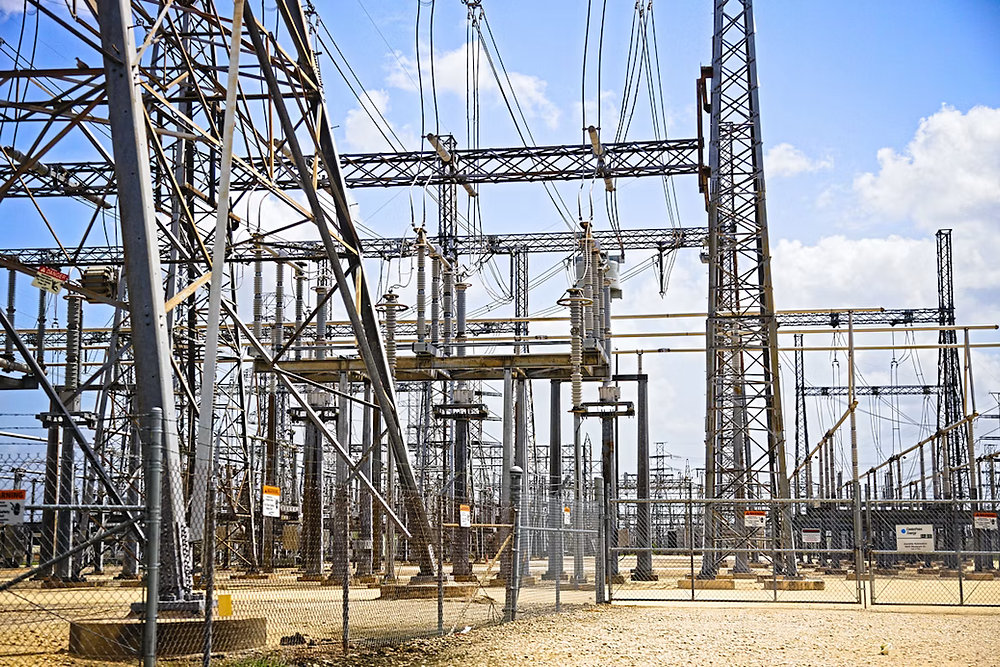
Multi-site substation steel programs can either make your year or wreck your schedule. When steel slips, energization dates slide, outage windows get tight, and everyone scrambles. When steel flows on time, the whole program feels smoother and a lot less stressful.
Right around midyear, many EPC teams are trying to lock in fabrication space, galvanizing slots, trucking, and field crews for Q4 outages and the next build season. That timing is not random. If you want schedule certainty, the planning needs to start now, while you still have room to adjust scope, sequence, and risk.
In this playbook, we are going to walk through how to model three big pieces: real fabricator throughput, shop loading, and field install rates for substation steel structures across multiple sites. We will share how we look at these programs inside SteelCon and how EPC program managers, estimators, and construction leaders can build a repeatable way of planning capacity at scale.
Understanding True Fabricator Throughput Across Facilities
Nameplate capacity sounds great on a slide, but it does not pour concrete or stand structures. What matters is repeatable, week-after-week throughput under real-world conditions like material flow, galvanizing, inspections, and late changes.
A fabricator might say they can push a certain number of tons a week. That number often assumes perfect drawings, no rush change orders, no galvanizing delays, and no inspection rework. On active substation steel structures programs, those things almost never line up perfectly.
Key constraints that can drag on throughput include:
Material lead times and mill deliveries
Detailing and approval bottlenecks
Galvanizing window limits and bath size
Inspection and quality hold points
Change-order traffic and priority juggling
When a fabricator has multiple plants across the country, like we do at SteelCon, there is another tool on the table: load balancing. Work can be segmented by:
Voltage class and structure size
Member complexity and weld mix
Coating or special treatment needs
By shifting certain structure families to different facilities, you can protect critical path projects while still keeping the overall program moving. The trick is asking for the right data so you can see past marketing capacity and build a real throughput model.
Helpful metrics to request and track:
Average weekly tons shipped by structure family
Historical on-time performance for similar programs
Typical queue time for detailing and engineering review
Galvanizing turnaround time by part type
Once these numbers are on the table, you can model realistic plant throughput for an annual or multi-year portfolio, instead of guessing.
Modeling Shop Loading for Complex Substation Steel Structures
Planning one substation is like planning a weekend camping trip. Planning a 20-site program is more like planning a cross-country move with kids, pets, and a deadline. All the little frictions add up under load.
When dozens of sites hit at once, small drawing changes, utility standard updates, and late approvals start to stack. A few hours here and a day there quickly add up to weeks of shop congestion if you have not modeled the load.
One simple way to get ahead of this is to build a load profile by structure type. For example, group your substation steel structures into families like:
Bus supports and post stands
Instrument transformer stands
Deadend and takeoff structures
Equipment stands and cable supports
Small miscellaneous steel and platforms
For each family, work with your fabricator to estimate:
Typical fabrication hours per ton
Detailing and checking effort
Inspection intensity or special procedures
Now take your preliminary steel takeoff and planned structure schedule and turn it into a time phased loading curve. Instead of only saying, "We need 1,000 tons this quarter," you can see where the true hour peaks land in detailing, fit-up, and welding.
Then line up your internal milestones against the shop stages. Common EPC milestones like:
IFC drawing issue
Foundation release
Material need dates by area
Should connect directly to shop stages like:
Detailing and modeling
Cutting, drilling, and fit-up
Welding and inspection
Galvanizing, touch-up, and packaging
At SteelCon, we look at those milestones to spot bottlenecks early. If we see three sites with heavy deadend work all hitting one plant at the same time, we can suggest resequencing, splitting packages across facilities, or issuing early-release steel for foundations and primary structures so the shop stays loaded, not overloaded.
Connecting Fabrication Flow to Field Install Rates
Steel that shows up at the gate is not progress until it is in the air. That is why crew productivity and install rates should drive your steel release plan, not just the other way around.
Field install rates for substation steel structures can swing based on:
Region and crew experience
Soil conditions and foundation type
Weather, from Gulf Coast storms to winter freezes
Crane access and outage limits
When install rates are overestimated, steel often arrives too early. Yards fill up, parts get moved several times, and the risk of lost or damaged material climbs. When rates are underestimated, crews sit idle waiting on key pieces while everyone scrambles to pull steel ahead.
A better approach is to tie phased shipping directly to realistic install bands. Think in terms of:
Foundation steel and anchor bolt cages
Primary structures and main bus steel
Secondary steel and equipment stands
Miscellaneous platforms and small supports
Ship in the order that matches your foundation schedule, crane lifts, and crew plan so there is always ready work but never a mountain of unused material.
Seasonal factors matter here too. Midyear planning is when many EPCs are lining up work for late summer and fall windows, while also looking at winter work that may face cold, snow, or limited daylight. Utilities also protect certain outage windows for high-load seasons or storm risk.
By syncing fabrication cadence to these windows, you smooth out:
Crew utilization and overtime spikes
Remobilizations and emergency shifts
Year-end schedule compression and punch-list chaos
A steady, predictable flow of steel that matches install reality is one of the simplest ways to protect energization dates and utility trust.
Building a Capacity Playbook for Multi-Site Programs
Once you have done this kind of modeling a few times, it pays to turn it into a standard playbook that you can reuse and improve from program to program.
Start with a simple template that captures your base assumptions:
Fabrication throughput by structure family
Shop loading factors for detailing, welding, and inspection
Typical galvanizing lead times by region
Transit durations from plant to site
Average field install rates by region and season
Then use that template to run what-if scenarios like:
Pulling energization ahead by a few weeks
Adding extra sites mid-program
Major utility design changes in the middle of fabricating
Supply chain hiccups on certain sections or members
When the model is structured, you can work with your fabricator to quickly reforecast which plant handles what, how deliveries should be resequenced, and where you might need early-release packages to protect the most sensitive milestones.
The playbook gets even stronger when you feed it real partner data. For example, tracking:
Actual tons shipped per week by plant
Actual cycle times through detailing and galvanizing
Actual on-time performance versus promise dates
Once that information flows into your scheduling and analytics tools, you are no longer guessing on contingencies. You are making choices based on how the work really runs across multiple programs.
Turning Capacity Models Into Competitive Advantage
EPC teams that model capacity well move from reacting to problems to predicting them before they land. Energization dates become more reliable. Crews stay busy instead of bouncing between fire drills. Owners see fewer surprises and more steady progress across their substation portfolios.
The other advantage is strategic. When you bring a fabricator like SteelCon into your annual and multi-year planning early, share your rough site lists, target outage windows, and conceptual steel quantities, both sides can build joint capacity models before contracts are set. That early work lets you shape sequencing, plant allocation, and risk sharing in ways that support the whole portfolio, not just the first project in line.
Over time, that level of planning discipline turns into a quiet edge in utility and IPP competitions. Your bids are based on realistic steel and field capacity, not hope. Your schedules hold up better under stress. Your substation steel structures stop being a wild card and start acting like the reliable backbone they are meant to be.
Get Started With Your Project Today
If you are planning new or upgraded substation steel structures, we are ready to support you from early design through installation. At SteelCon, we work closely with your team to align every structure with your technical, schedule, and budget requirements. Share your project details and we will help you determine the best path forward. To discuss specifications or request a quote, please contact us today.