Avoid Costly Errors in Substation Steel Fabrication
Learn how EPC teams can prevent delays, rework, and safety issues by avoiding common substation steel fabrication mistakes from design to delivery.
July 3, 2024 · By SteelCon Blogs
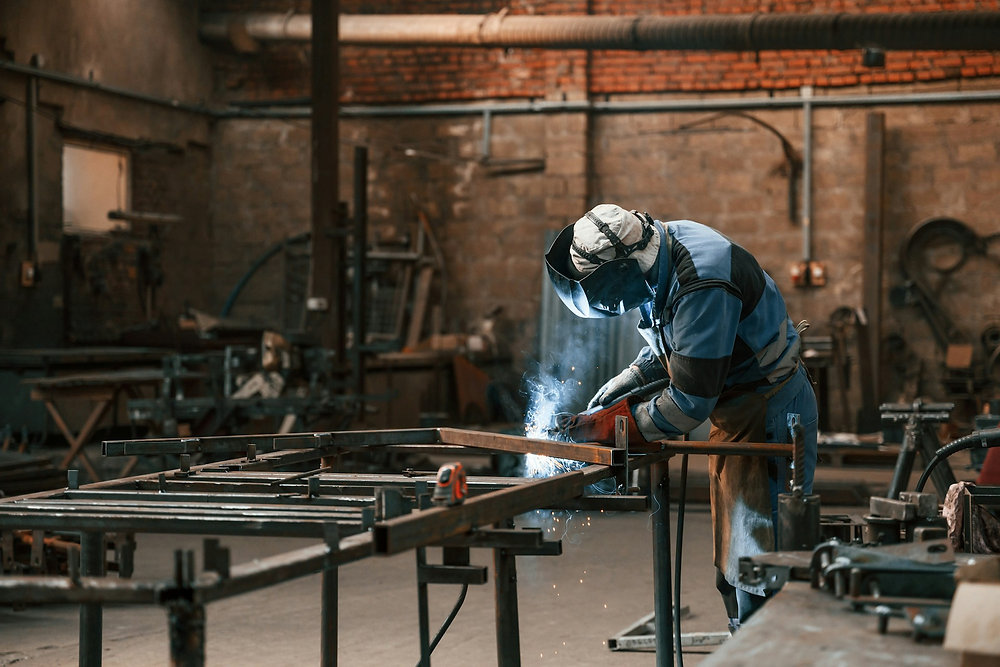
Substation steel fabrication should not be what puts your energization date at risk. When the grid is getting hardened, outage windows are short, and every crew is stacked with work, there is almost no slack left in the schedule. A few missing holes, a bad fit on a CT stand, or a wrong bolt pattern can eat up days in the yard while equipment and people sit and wait.
The hard part is that these problems usually start long before trucks roll through the gate. Small oversights in design, detailing, and fabrication turn into big delays when you are in the middle of a hot summer build.
In this article, we want to walk through common mistakes we see around substation steel fabrication and how tighter coordination can keep projects on track. Our engineer-driven approach at SteelCon is built around these exact issues, so we see the patterns up close on jobs across the country.
Underestimating Design and Fabrication Coordination
When design and fabrication teams do not line up early, the shop slows down and the site feels the hit. We see the same pain points repeat:
Incomplete or late steel detail drawings
Unclear load paths for structures and equipment
P&C layouts that do not match the steel model
Missing or vague anchor bolt plans
Any one of these can cause a stream of RFIs, which means the shop has to stop, wait, or rush changes later. That delay rolls downhill to the field. A simple change to a bus height on paper can become weeks of reshuffling if the structure is already in the yard.
A better way is to lock in key items before steel is released. At a minimum, we suggest EPCs nail down:
Connection details and preferred standard shapes
Bus heights and phase spacing with reasonable tolerances
Equipment weights, load paths, and future expansion plans
Anchor bolt patterns and base plate sizing
When our engineers can sit down early with your design team, we can clean up unclear details before they become shop problems. That shortens the review loop, speeds up shop drawings, and shrinks the list of change orders waiting to surprise you later.
Overlooking Galvanizing Realities in Tight Schedules
Galvanizing often looks simple on paper: send steel out, get it back coated, move on. In practice, it is one of the biggest schedule traps in substation steel fabrication, especially in the peak summer season when every project is trying to finish at once.
Common galvanizing mistakes include:
Non-standard shapes or very thick members that are hard to dip
Missing vent and drain holes that cause rejects or safety concerns
Coating specs that are vague or do not match the fabricator’s process
Wrong assumptions about how clean the surface must be before dipping
Any of these can mean rework, re-dipping, or field touch-up. That adds handling time and pushes steel back in the queue, right when crews are waiting to set structures. Poor planning here can easily push critical path work like bus installation or equipment stands into bad weather or past outage windows.
We plan galvanizing around actual bath capacities and regional demand, then sequence loads to match erection order. When EPCs bring us in early, we can suggest small design tweaks that fit local galvanizers better, while still meeting code and durability needs.
Treating Tolerances and Fit-up as Field Problems
It is tempting to leave tolerances a bit loose and assume field crews will “make it work.” On substation projects, that mindset quietly eats your schedule. Generic tolerances on column bases, bolt holes, or equipment stands often turn into:
Misaligned bus that needs on-site bending or shimming
CTs and PTs that do not line up with primary equipment
Anchor bolts that do not match base plates or templates
The hidden costs show up as extra crane time, long days in extreme heat, and crews drilling or torching steel just to finish a bay. Every hour spent improvising in the yard is an hour lost to planned work, and safety risks climb when field fixes become the norm.
We like to see project-specific tolerance standards agreed on up front, not copied from an old spec. Then we build in clear QC checkpoints in the shop: base plates, hole patterns, and equipment interfaces get special attention before anything ships. That engineer-driven discipline reduces the odds of surprise fit-up work when you are on the clock.
Ignoring Logistics, Sequencing, and Standardization
Even the best fabricated steel can slow a job if it shows up in the wrong order or in a confusing pile. When multiple yards or greenfield sites are live at the same time, poor logistics turn into chaos.
Common trouble spots include:
Random piece marking that does not match erection plans
Mixed loads that scatter key structures across several trailers
No thought given to seasonal access, like wet spring soil or winter road limits
Deliveries that bring back structures before foundations or anchor bolts are ready
Instead, we recommend planning fabrication and shipping around how the site will actually be built. Some simple but powerful habits are:
Fabricating and bundling steel by erection sequence or substation bay
Clear, consistent tagging that matches your drawings and field books
Just-in-time shipments for large or heavy members
Using multiple facilities to feed different regions or simultaneous projects
Standardization is the other missing piece on many programs. One-off details, unique connections, and special structures slow down every step: engineering, detailing, substation steel fabrication, galvanizing, and erection.
When EPCs commit to standard structure families, typical connections, and repeatable bay layouts, everything gets smoother. Shops learn the patterns, galvanizers see the same shapes, and field crews know what to expect from one site to the next.
We help EPCs build and refine that library of proven standards so it lines up with their preferred construction methods and outage strategies, not just what looks neat on a single drawing set.
Turning Today’s Lessons Into Tomorrow’s On-Time Energizations
When we step back, the same core issues show up over and over:
Weak design and fabrication coordination
Galvanizing blind spots and timing misses
Loose or generic fit-up controls
Limited logistics and sequencing planning
Little to no standardization across projects
Treat these as a simple “steel-risk review” checklist for current projects and upcoming summer outages. If you see warning signs in any of these areas, it is worth slowing down now so you do not lose days later in a hot yard with crews waiting and outages ticking away.
At SteelCon, we built our engineer-driven model and our multi-state fabricating footprint around these exact schedule risks. We know EPC contractors are under pressure to keep transmission and substation work on time, and our job is to help make sure the steel does its part: on spec, on sequence, and ready to set the first time.
Get Started With Your Project Today
If you are planning new substation construction or upgrades, our team at SteelCon is ready to support your project from design through delivery. Explore our specialized substation steel fabrication capabilities to ensure your structures meet strict utility and safety requirements.
We work closely with you to align schedules, specifications, and budgets for reliable project outcomes. Have questions or need a quote timeline? Simply contact us and we will respond promptly.