Blog
Stay on Track With Electrical Substation Structures
Discover how engineered, galvanized electrical substation structures help EPC teams avoid delays with predictable fabrication and execution nationwide.
February 17, 2026 · By SteelCon Blogs · Blog
Why Electrical Substation Structures Deserve More Attention
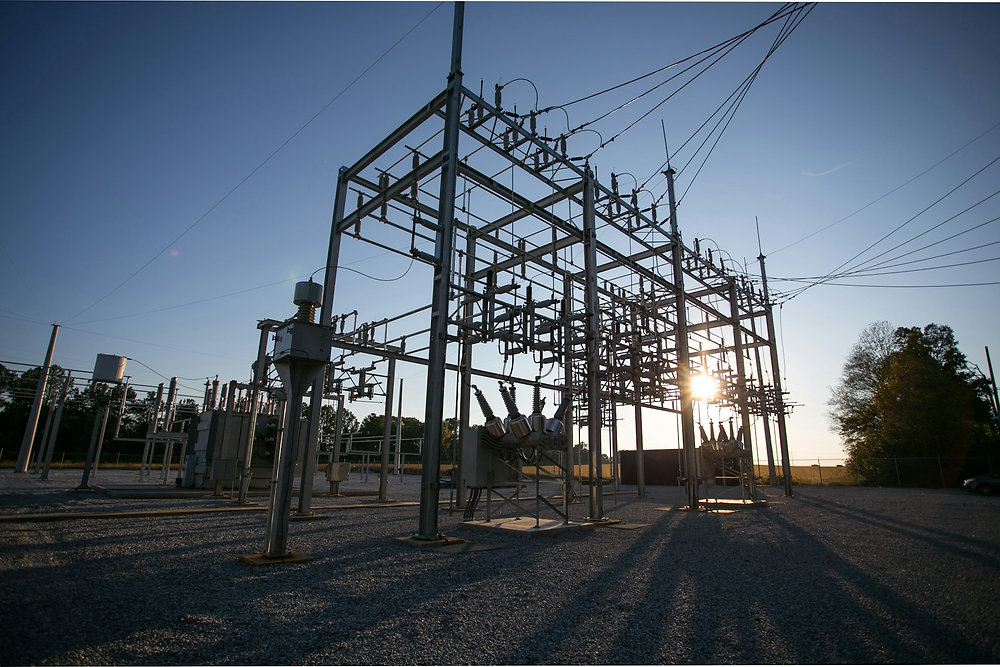
Electrical substation structures are not just steel in the yard; they are the physical framework that holds your entire high-voltage design together. When they are right, clearances work, crews move quickly, and equipment goes online without drama. When they are wrong, you feel it immediately in RFIs, field fixes, and schedule slips.
As a substation structure manufacturer, we see how decisions about high-voltage substation steel ripple through reliability, safety, and constructability. EPC teams and procurement groups are judged on schedule certainty, predictable installation, and long-term performance, and substation steel structures directly touch all three. In this article, we will walk through the major categories of electrical substation structures, where they fit in an EPC workflow, and what fabrication choices quietly drive both risk and lead times.
Core Categories of Electrical Substation Structures
Most electrical substation structures fall into a few core groups, each with different structural and constructability demands.
Equipment support structures carry the weight and forces of:
Power transformers and auxiliary transformers
Circuit breakers and disconnect switches
Capacitor banks and reactors
Instrument transformers and station service equipment
These supports have to account for heavy static loads, short-circuit forces, and manufacturer-specific mounting requirements. For higher-voltage classes and higher fault levels, stiffness and anchorage requirements increase, and deflection limits get tighter to protect connections and porcelain.
Bus support structures typically include:
Main and transfer bus supports
Riser structures and takeoff structures
Deadend structures where bus terminates
Braced posts and post insulator supports
Here, voltage rating, BIL, and phase-to-phase clearances drive heights, spans, and bracing. The higher the voltage, the more sensitive the layout becomes to deflection under wind, ice, and short-circuit loads.
At the interface to the grid, substation steel structures also include:
Transmission line termination structures at the substation
Line support structures bringing circuits into the yard
These structures combine transmission-like loading with substation clearance and layout rules. Site conditions, such as poor soils, tight sites, or high winds, can push designs toward taller, heavier, or more braced configurations.
Security and auxiliary steel gets less attention in early design but matters for field execution:
Fence steel, gates, and security barriers
Control cable supports and raceway steel
Walkways, platforms, and ladders for access
Miscellaneous supports for lighting, conduits, and grounding connections
Here, standardization and modular assemblies are your friend. When EPCs choose repeatable details and standard families of structures, it reduces engineering hours and simplifies field labor. Custom one-off pieces are sometimes unavoidable, but they cost time both in design and fabrication, and they slow down crews in the yard who have to guess what goes where.
Where Substation Steel Structures Fit in Project Planning
Substation structure fabrication decisions start affecting the schedule much earlier than many teams expect. In a typical EPC workflow, they show up in each phase differently.
During concept design, major voltage levels, equipment arrangements, and transmission interfaces are sketched out. This is where rough structure types and approximate heights should be considered, even if details are not locked in yet.
In preliminary engineering, equipment footprints, clearances, and bay configurations become more defined. This is the ideal time to align with a substation structure manufacturer so we can:
Review anticipated loads and clearances
Flag any unusual structure requirements early
Suggest standard families that match the layout
By detailed design, structure geometry, connection details, and foundations need to be close to final. Late changes here can trigger redesigns of foundations, bus spans, and even cable routing. Because substation steel structures sit at the intersection of civil, structural, and electrical, a shift in one area tends to ripple through the others.
During procurement and construction, locked-in designs are converted into fabrication drawings, purchase orders, and delivery schedules. If structural decisions were made in isolation from the fabricator, this is the stage where misalignments often appear, leading to RFIs, change orders, or field rework.
Early coordination with a manufacturer helps resolve load paths, clearances, and connection details before IFC drawings are issued. That reduces surprises in the shop and in the field, and it gives procurement clearer expectations on lead times and delivery sequencing.
Design and Engineering Drivers for Reliable Substation Steel
Reliable high-voltage substation steel starts with sound engineering inputs. Structural and layout decisions are shaped by:
Voltage rating and BIL, which set the electrical clearances
Short-circuit forces and fault levels, which define bracing and member sizes
Seismic, wind, and ice loads based on site conditions
Equipment manufacturer requirements for mounting and access
A family-of-proven substation steel structures can streamline this process. When EPC teams lean on standard designs for common bay configurations, they gain:
Repeatable connection details and base plates
Predictable deflection behavior and clearances
Faster drawing review and fewer questions during approval
Standardization does not mean one-size-fits-all. It means starting from known, vetted patterns and adapting only where the project truly demands it.
Reliability over the life of the yard depends on stiffness, corrosion protection, and detailing. Good practices include:
Limiting deflection on bus supports to protect flexible connectors
Choosing corrosion protection systems, like galvanizing, appropriate for the environment
Detailing bracing, splice locations, and bolt patterns to keep structures stable, accessible, and safe for maintenance
Thoughtful detailing can be the difference between a structure that works fine on day one and one that stays serviceable and safe years later.
Fabrication and Field Factors That Protect Schedule
Once design is set, substation structure fabrication becomes a schedule-critical path. Material availability, section selection, and how steel is nested and processed in the shop all affect lead time and cost. Sometimes a slightly heavier but more readily available section will shorten the schedule compared to a lighter shape that is hard to source.
Consistent connection details pay off here too. When hole patterns, base plates, and splice details are standardized:
Shop detailing is faster
Fabrication fixtures can be reused
Field crews see familiar layouts and bolt-ups across the yard
For galvanized substation steel structures, fabrication must be planned around the galvanizing process. That includes:
Proper weld prep so galvanized coatings adhere uniformly
Vent and drain holes to allow zinc flow and avoid trapped moisture
Details that limit distortion during hot-dip galvanizing
Sequencing fabrication and galvanizing to avoid rework or delays
Field constructability links directly back to shop decisions. Clear piece-marking, logical packaging, and kitting by structure or bay help crews assemble steel in the right order, reducing crane time and hunting for parts. Tight dimensional control in fabrication ensures structures align with anchor bolt patterns and equipment pads, which is key if foundations are already poured when steel arrives.
From an EPC perspective, choosing structure types that avoid field welding, provide safe access points, and leave room for future expansion or equipment swaps reduces both immediate risk and long-term headaches. When we design and fabricate with those realities in mind, projects stay closer to plan and crews stay safer on site.
Get Started With Your Project Today
If you are planning new electrical substation structures or upgrading existing assets, we can help you move from concept to energized operation with confidence. At SteelCon, our team works directly with utilities, EPCs, and contractors to align structure design, fabrication, and delivery with your schedule and performance requirements. Share your project details and technical needs, and we will provide practical options tailored to your site and standards. To discuss timelines, engineering support, or pricing, simply contact us.