News
Owner–EPC Model for Programmatic Transmission Steel: Governance and Deliverables
Learn a proven owner EPC model for transmission steel structures with clear decision rights, RACI, IFC packages, and change control for repeatable delivery.
October 16, 2026 · By SteelCon Team · News
Building a Portfolio-Ready Model for Transmission Steel Programs
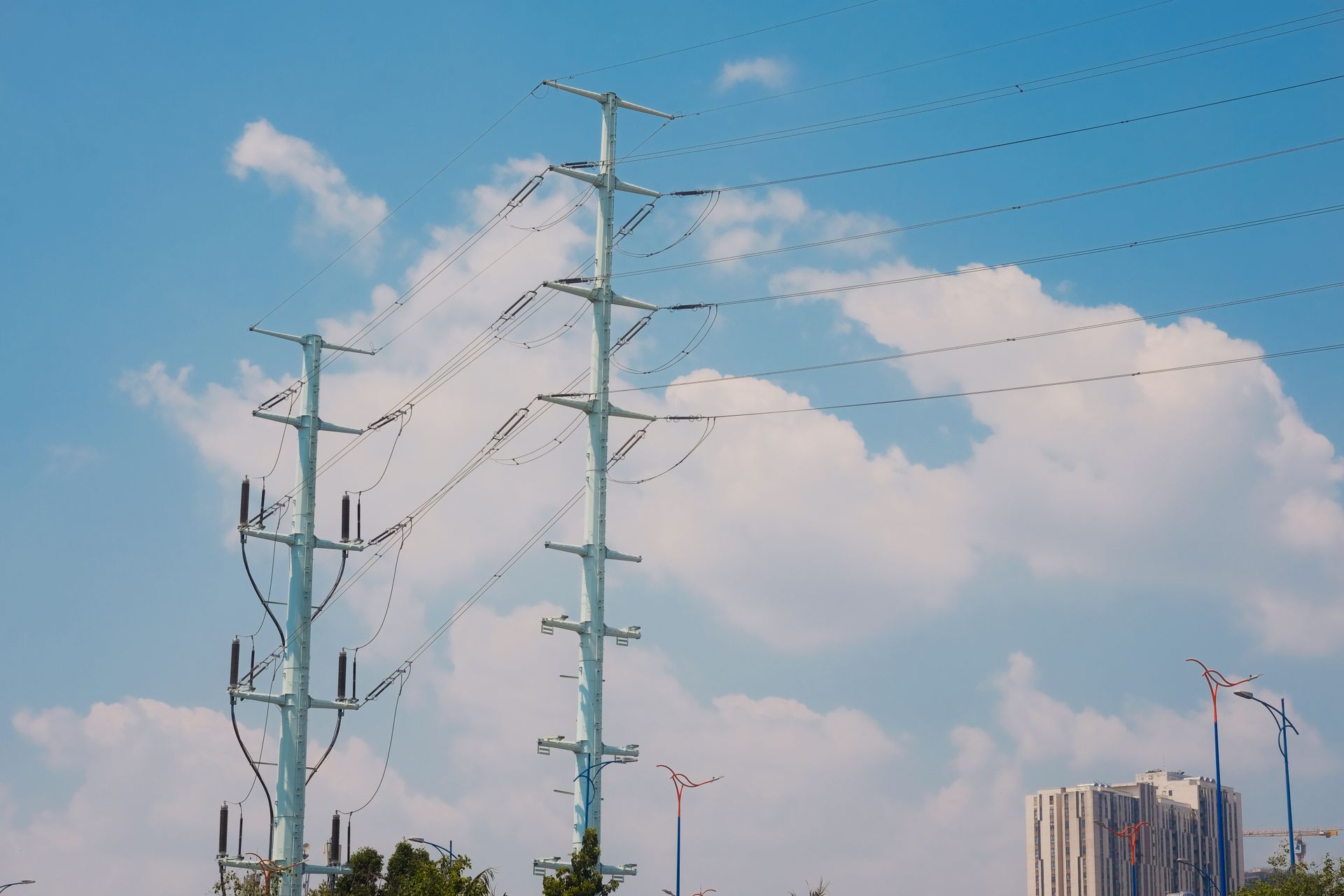
A lot of utilities and EPCs treat transmission steel structures like one-off fire drills. Deadlines hit in late fall, winter-readiness dates close in, and everyone scrambles to push a stack of separate projects over the finish line. It is stressful, risky, and hard to repeat. A portfolio model changes that by lining up work as a steady program instead of a string of surprises.
When we talk about an owner-EPC operating model for engineered substation and transmission steel structures, we mean a clear way of working together across planning, design, fabrication, and field work. The goal is simple: predictable lead times, repeatable steel details, and field crews that know exactly what to expect from one site to the next.
In a strong program, three levers do most of the work: governance, decision rights, and standardized deliverables. When these are clear, owners can meet reliability targets, EPCs can sequence work across regions, and partners like SteelCon can plan shop capacity with confidence and support tight outage and winter windows.
Aligning Owner and EPC with a Shared Governance Framework
The biggest thing that trips up a portfolio is not the steel itself, it is fragmented governance. Different districts use different standards. Approvals change from project to project. People argue over priorities because nobody is sure who owns what. All of that slows down design, squeezes fabrication slots, and pushes risk into the field.
A simple, shared governance structure puts guardrails around the whole program. Many owners and EPCs do well when they think in three levels:
- A steering committee that sets strategy and resolves big tradeoffs
- A portfolio management office that keeps the workstream train on the rails
- Project-level forums that tackle day-to-day issues and risks
The steering committee includes senior leaders from the owner and EPC. They agree on standards for transmission steel structures, risk tolerance, outage priorities, and how to deal with conflicts between regions. The portfolio office tracks schedule, design progress, and fabrication demand across all active jobs. Project forums focus on specific sites, design details, and near-term construction issues.
SteelCon fits into this system best when we are plugged in early and at the right levels. That usually looks like:
- A regular design-to-fabrication touchpoint with the portfolio office
- Early constructability review in project forums so details match how steel is actually built and shipped
- A clear escalation path into the steering group when fabrication realities affect portfolio-level choices
With this in place, governance stops being a roadblock and starts acting like a guide rail that keeps every project in the portfolio heading in the same direction.
Clarifying Decision Rights with a RACI Model
Even with good governance, things bog down when no one knows who gets to decide. A clear RACI matrix, laid out at the start of the program, can prevent a lot of rework and waiting.
RACI means:
- Responsible: who does the work
- Accountable: who owns the final decision
- Consulted: who gives input before the decision
- Informed: who gets told after it is made
For transmission steel structures, key decision areas usually include:
- Standard profile and structure family selection
- Material specs and coatings
- Design freeze dates
- Fabrication release timing
- Shipping sequence and packaging
- Field change review during construction
For example, the owner may be Accountable for standard profiles, the EPC Responsible for applying those standards, SteelCon Consulted to confirm manufacturability, and construction crews Informed. On fabrication releases, SteelCon is often Responsible for slot planning, the EPC Accountable for when to release IFC packages, with the owner Consulted on outage and energization dates.
A portfolio-level RACI is different from a project RACI. It makes clear which decisions apply across every job in the program, like standard connections or preferred steel grades, and which are site-specific, like foundations or local access limits. Because we live in the details every day, SteelCon can help owners and EPCs write RACIs that match real engineering and shop limits so cycle times speed up across dozens of similar projects instead of being reset every time.
Standardizing IFC Packages for Repeatable Field Execution
If governance and RACI are the rules of the game, the IFC package is the playbook the field actually runs. When IFCs vary wildly from project to project, RFIs pile up, installers guess at intent, and schedules slip, especially when crews are racing the weather.
Strong IFC packages for substation and transmission steel structures share a few traits:
- Complete, clash-checked models and drawings
- Bills of material that match the models and are fabricator-ready
- Clear, repeatable connection details
- Logical part marks and piece lists that link to packaging and shipping
Standard templates for IFC content across the portfolio keep everyone aligned. The EPC knows what level of detail must be in each package before release. The owner knows what "ready" really means. Field crews learn to read a common drawing language, so they move faster from one site to the next without re-learning each set.
SteelCon can add structure here through:
- Detailing guidelines that match our shops and typical field practices
- A preferred connection library that balances engineering needs and fabrication speed
- Consistent part-marking, bundle layouts, and packaging formats
- Feedback loops after each wave of projects so the next IFC standard is even cleaner
This kind of standardization matters even more when construction seasons are tight and winter storms are part of life, as they are in many of the regions we serve from our U.S. facilities. When IFCs are predictable, you do not waste precious clear-weather days hunting for answers.
Controlling Scope and Change with Portfolio-Level Discipline
Change is going to happen. New outage dates pop up, environmental rules tighten, or a specific site throws a curveball. The risk is not change itself, but change without discipline. In a portfolio of transmission steel structures, a late design tweak at one location can ripple across steel procurement, shop loading, and transport for several other jobs.
A tiered change control process keeps that from spiraling:
- Define what counts as minor and what is a major change
- Set which level approves each tier: project, portfolio, or executive
- Use standard change request forms and clear cutoffs
- Agree on review time limits so decisions do not sit in limbo
For smaller items, the project team may approve on its own, as long as it does not shift steel weight, geometry, or need new material. Bigger shifts, like a revised tower family, might move to the portfolio office, since those hit shared standards and fabrication windows. Only the largest changes, like moving site schedules that disrupt many projects, go to the steering committee.
SteelCon’s predictable lead times and multi-facility capacity work best when we lock in key fabrication windows and shipping sequences. A strong change process protects those windows while still leaving room for critical adjustments. That way, when an owner calls for a fast-track line or a winter-readiness push, the program can flex without breaking.
Turning Governance Into a Long-Term Advantage
When owners and EPCs take governance, RACI, IFC standards, and change control seriously, transmission steel structures shift from being a bottleneck to a repeatable capability. Instead of reliving the same year-end scramble, teams move through each new project in the portfolio with more confidence and less chaos.
This is a good time for utilities and EPCs to step back and ask a few simple questions: Where is governance fuzzy? Where do decisions stall or bounce between teams? Where do IFC packages or change requests vary so much that every site feels like a one-off? The answers to those questions point straight at the biggest gains in speed and predictability.
At SteelCon, we see how much smoother programs run when the owner-EPC operating model is clear and consistent. When we are invited in early to help shape standards, decision frameworks, and execution playbooks, portfolios of engineered substation and transmission steel structures become easier to plan, easier to build, and much easier to repeat across the grid.
Get Started With Your Project Today
If you are planning new grid upgrades or optimizing existing lines, we can help you design and deliver reliable transmission steel structures that match your project goals. At SteelCon, we collaborate early with your team to reduce risk, control costs, and shorten schedules. Share your project details and we will recommend a practical path forward, from engineering through installation. To discuss specific requirements or timelines, you can contact us today.