Blog
How EPC Teams Can Evaluate a Transmission Steel Partner
Review the fabrication capacity, sequencing, quality controls, galvanizing coordination, and logistics EPC teams should evaluate for transmission steel.
April 8, 2026 · By SteelCon Blogs · Blog
Why Fabrication Choices Make or Break EPC Risk
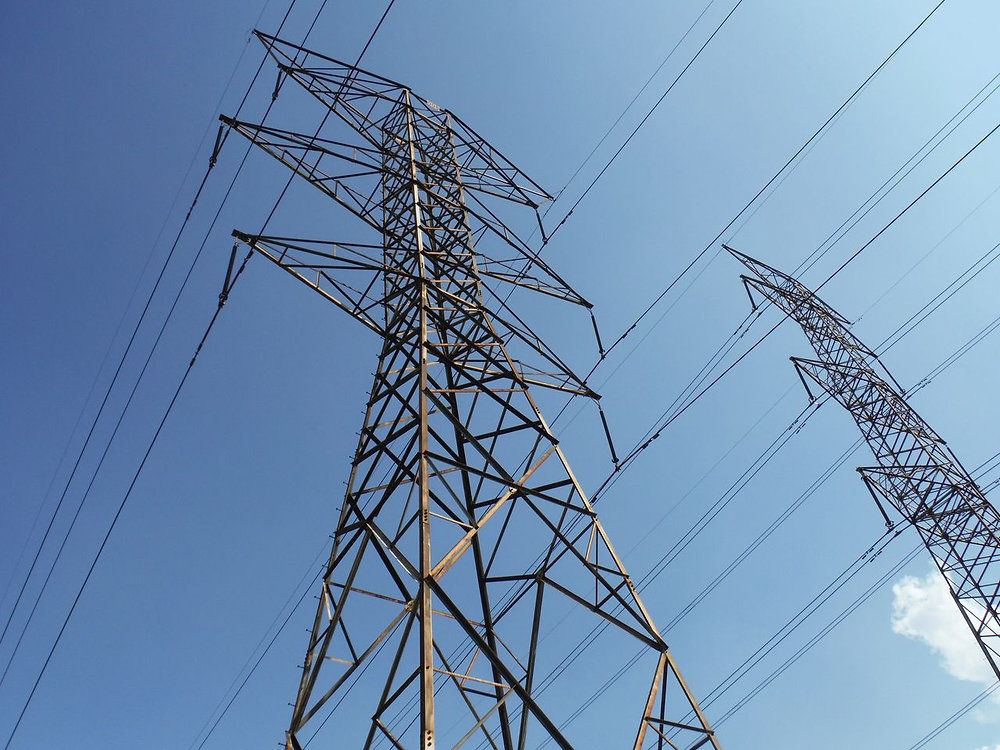
Transmission structure fabrication is one of the tightest choke points on any power infrastructure schedule. Outage windows are limited, utility stakeholders are watching every milestone, and liquidated damages are a real threat when energization dates slip. When transmission steel structures or transmission substation steel structures do not arrive when the plan says they should, there is usually no easy way to “make it up later.”
These structures sit squarely on the critical path. Foundations, civil work, line crews, commissioning activities, and regulatory inspections all stack up behind steel delivery. That means fabrication performance is not just a procurement concern; it is a direct driver of EPC risk, contingency spend, and change-order pressure.
In this article, we walk through what EPC teams should look for in a power infrastructure steel fabrication partner, with a focus on the specific needs of transmission and distribution steel structures. At SteelCon, we are a U.S.-based fabricator focused on schedule-certain production for these types of projects, and our goal here is to translate real-world issues into practical evaluation criteria you can use on your next bid or program.
Engineering Complexity in Transmission Steel Structures
Transmission steel structures are not ordinary structural frames. They carry high loads, must maintain precise electrical clearances, and have to satisfy NESC requirements and individual utility standards. Transmission substation steel structures add another layer of coordination with equipment, bus configurations, insulation levels, and grounding details.
Several design variables tend to increase fabrication difficulty for transmission structure fabrication, including:
Large poles and lattice elements that require special handling and welding
Complex connection details for bracing, insulators, and equipment stands
Unique weld procedures or inspection levels specified by utilities
Late-stage design tweaks that must be absorbed without derailing schedules
A fabricator focused on power infrastructure can act as an extension of the EPC engineering team. Helpful support often includes:
Design-assist reviews early in the process
Constructability feedback on connection details and member sizing
Prompt drawing clarification to avoid RFIs slowing the shop
Early identification of fabrication risks, such as tricky weld access or galvanizing concerns
We also see how important clear model-to-shop-drawing workflows have become. When the handoff from engineer to detailer to shop is sloppy, field-fit issues, rework, and schedule slips follow. That is why EPC teams should ask about:
How the fabricator manages 3D models and drawing revisions
Version control on shop drawings and CNC data
Quality documentation that ties each piece of steel to its drawings and inspections
These steps reduce surprises in the field, which is exactly where EPC teams have the least flexibility.
Sequencing, Material Planning, and EPC Schedule Control
Fabrication is not just about producing steel; it is about producing it in the order that matches the build. When transmission steel structures are sequenced poorly, foundations may be ready with no structures to set, or steel may flood a site that is not prepared. Either way, EPC schedule control suffers.
For EPC teams, the right fabrication partner should be ready to plan around:
Phase-based fabrication that mirrors project stages
Structure-by-structure or segment-by-segment delivery for line projects
Outage windows and access constraints, especially for brownfield work
Material planning is closely tied to this. Effective power infrastructure steel fabrication depends on:
Accurate bills of material to avoid mid-project shortages
Mill order timing that respects long-lead shapes or plates
Contingencies for substitutions if mill availability changes
Tracking material as it moves from mill to fabrication to the site
Transparency is vital. EPC teams need realistic lead times, not optimistic guesses. Regular schedule updates, early warnings when something slips, and clear explanations of options reduce disputes and help everyone adjust plans while there is still time to limit impact.
Galvanizing Quality and Durability for Transmission Assets
Transmission and distribution steel structures live outdoors for decades, often in remote areas where access is challenging and repair work is expensive. Reliable galvanizing is one of the key defenses against corrosion, which makes galvanizing quality a major project risk factor, not just a finishing step.
Good galvanizing results start well before steel reaches the kettle. Important technical details include:
Steel chemistry, since certain compositions can affect coating appearance
Venting and drainage design, especially on tubular and boxed components
Weld preparation that avoids trapped contaminants or sharp edges
Sequence planning to prevent distortion or coating defects on long members
Close coordination between the fabricator and galvanizer protects EPC projects. Shared QA and QC expectations, defined inspection protocols, and predictable turnaround times keep galvanizing from becoming a hidden bottleneck that pushes the entire schedule.
At SteelCon, we plan galvanizing requirements from the beginning of transmission structure fabrication rather than treating them as a final hurdle. Considering venting, lift points, and handling early in detailing reduces rework and avoids last-minute redesigns that can ripple through a project timeline.
Delivery Timing, Logistics, and Site Readiness
Accurate drawings and steel that meets project specifications do not prevent problems if deliveries do not match site realities. Misaligned shipments can idle erection crews, crowd limited laydown areas, or miss tightly negotiated outage windows. All of that adds cost and can raise safety concerns.
EPC teams should expect a transmission steel partner to provide:
Load plans organized around the actual erection sequence
Clear tagging on each piece, tied to drawings and structure IDs
Documentation that lets field crews quickly verify what has arrived
Coordination with crane and crew plans for safe handling of large assemblies
Power infrastructure steel fabrication comes with logistics challenges that general building projects do not always face. Oversize loads, narrow access roads, seasonal weather, and remote locations can turn a simple delivery into a complex move. A capable partner will respond with:
Route planning that anticipates restrictions and permits
Staggered shipments that fit the site and crew plans
Real-time shipment visibility and proactive status updates
Backup plans for weather delays or access issues
When logistics are handled with this level of detail, EPC teams retain control of their field schedule instead of reacting to surprises.
Why Supplier Capacity and Redundancy Protect EPC Projects
Even the best plans fall apart if the shop does not have the capacity or redundancy to keep up. For transmission structure fabrication, where projects often involve long lines, multiple substations, or multi-state portfolios, fabricator capacity is directly tied to schedule certainty.
Important signals that a supplier can scale include:
Multiple production bays or lines that can run in parallel
Experienced project management that keeps engineering, detailing, and production aligned
Flexible shift patterns for peak periods without burning out crews
Backup equipment and contingency plans if a key machine goes down
For EPC teams, it is also worth considering geography. Working with a U.S.-based partner like SteelCon can reduce logistics and customs risk, shorten lead times, and simplify coordination with utilities that prefer domestic fabrication. That proximity can make it easier to handle site changes, urgent revisions, or accelerated segments when project conditions shift.
Turning Fabrication Partnership Into EPC Advantage
Transmission steel structures and transmission substation steel structures demand more than standard structural steel approaches. When EPC teams match that complexity with the right fabrication partner, they reduce schedule exposure, cut down on surprises, and create space to solve the inevitable field challenges that do arise.
The most reliable outcomes come when EPC teams treat power infrastructure steel fabrication as a collaborative, early-stage discipline instead of a late procurement task. By focusing on engineering support, sequencing, material planning, galvanizing quality, delivery precision, and real capacity, transmission and distribution steel structures stop being a risk hot spot and start becoming one of the steadier parts of the plan.
At SteelCon, we build our work around those priorities so EPC contractors can move forward with greater confidence on their transmission and substation programs.
Get Started With Your Project Today
If you are planning a new utility or grid upgrade, we invite you to explore our transmission structure fabrication capabilities to see how we support complex, high-voltage projects. At SteelCon, we partner with you from initial concept through delivery so your schedule, specifications, and quality standards stay on track. Share your project requirements with us and we will provide a clear path forward, from engineering coordination to final fabrication. To discuss details or request a quote, please contact us today.