Blog
Extreme Weather Design Tips for Substation Steel
Learn extreme-weather detailing strategies that strengthen substation steel load paths against wind, ice, and floods, and speed post-storm repairs.

August 8, 2025 · By SteelCon Blogs · Blog
Designing Substation Steel to Survive the Next Big Storm
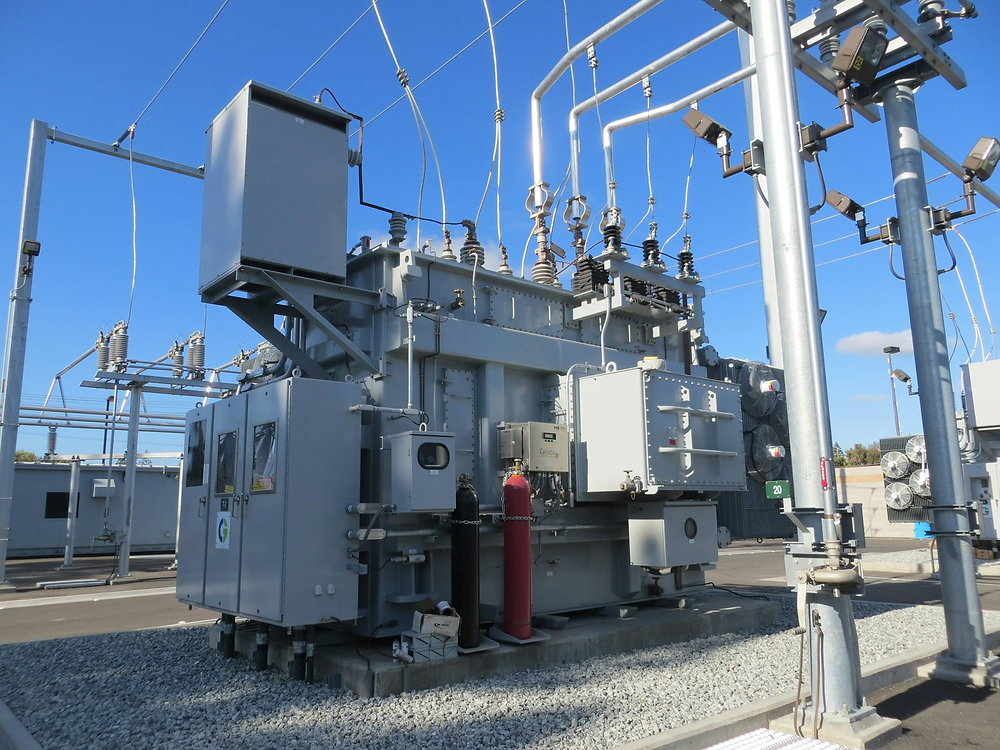
Strong storms are not rare anymore. Spring tornado season, fast-building thunderstorms, and early tropical systems are all showing up when crews are already busy. For transmission substation steel structures, that mix of timing and weather is rough. These yards sit out in the open, with tall steel that has to keep working when the sky turns ugly.
When that steel bends, breaks, or even just looks suspect, the grid feels it. Repairs take time, and every extra hour can mean more stress on nearby lines and equipment. That is why we focus on extreme-weather detailing, not just code checks. Our goal is simple: give loads a clear path, keep connections and anchors honest, shed water where we can, and build steel that is easy to inspect and fix after a storm rolls through.
At SteelCon, we do that through galvanized and tubular steel from our U.S. shops in Missouri, Texas, and Colorado. We work with EPC teams and utilities that care about schedule certainty and want storm-resistant details built in from day one, not patched on at the end.
Building Strong Load Paths for Wind, Ice, and Flood Events
Transmission substation steel structures feel the full force of the wind. There is no shelter, no buffer, and not much to break the gusts. So the first question we ask is simple: where does the load go?
Good extreme-weather detailing starts with clear, continuous paths for lateral and uplift forces. That means:
Bracing layouts that tie columns and beams together in both directions
Member continuity that avoids sudden weak spots or odd stiffness jumps
Enough redundancy so one bent brace does not send everything else into overload
Ice changes the game again. Vertical weight from ice accretion adds on top of normal dead load, while wind still pushes sideways. If the structure has sharp changes in stiffness, those combined loads can pile up at one connection, one splice, or one base plate. We try to spread the work:
Use connection details that share load between bolts instead of over-stressing one line
Avoid thin plates at key joints where combined wind and ice might hit hardest
Check that braces, arms, and columns all have a bit of reserve for odd load combinations
Flood and scour raise different questions. Will water rise around the base of the steel? Will soil wash out close to foundations? In flood-prone areas, we like to see:
Elevation of critical steel above expected water levels when practical
Structural checks that include buoyancy and debris impact at lower members
Close coordination with geotechnical and civil teams so what is on paper matches real flood behavior on site
When the load paths make sense in all three cases, wind, ice, and flood, the structure is more likely to bend in predictable ways instead of failing without warning.
Connection and Anchorage Details That Fail Gracefully
Under extreme weather, connections often tell the story. Bolted joints have a clear advantage when it comes to inspection and repair. A field crew can see slipped bolt holes, stretched washers, or deformed clip angles quickly. Welded joints may hide small cracks or incomplete penetration, and repair in the yard often needs more setup.
So for many exposed transmission substation steel structures, we lean toward:
Bolted connections at main joints where inspection and replacement are expected
Welds used in shop-controlled conditions, then protected by good galvanizing
Connection layouts that allow individual members to be swapped without torch work near live equipment
Anchorage is just as important. Different soil and foundation systems, such as drilled piers or mats, ask for different anchor rod strategies. We pay close attention to:
Anchor rod patterns that balance uplift and overturning without awkward bending
Projection heights that leave room for full nuts and washers while protecting threads from standing water
Corrosion protection on rods that matches the site environment and expected life
There is also value in planned weak spots, or fuse behavior. The idea is to let smaller, cheaper parts deform first and protect primary members and foundations. That might mean:
Clip angles or gussets sized to yield before the column tears
Slip-critical connections that can show movement before full failure
Sacrificial brackets that can be cut out and replaced after a storm event
When a storm wins a round, you want the damage to be local, clear, and fast to repair.
Smarter Site Grading and Drainage Around Steel Foundations
Many long-term problems start at ground level. Poor grading that allows ponding at base plates, anchor rods, and lower tubular members speeds up corrosion. Add deicing salts from winter access routes or a coastal environment, and trouble grows even faster.
Good grading and drainage are part of extreme-weather detailing, not an afterthought. Some helpful practices include:
Sloping soil away from foundations so water cannot sit against steel
Using shallow swales or ditches to redirect runoff away from structure groups
Concrete housekeeping pads that keep mud, debris, and standing water off the steel and anchor hardware
These choices also matter after a big storm. Crews need safe, dry enough access to walk, set up equipment, and see what happened. With smart site layout and early coordination, teams can plan:
Access routes that stay passable in wet conditions
Drainage features that keep foundations visible even when the wider site is saturated
Integration of floodplain data into both structure heights and inspection paths
When people can get to the base plates, anchor rods, and lower members quickly and safely, they can make smarter repair calls.
Fabrication and Galvanizing Choices That Aid Rapid Recovery
Details in the shop can make fieldwork much easier after a storm. For tubular steel, especially, drain and vent holes are key. They let galvanizing flow evenly, prevent trapped liquids, and help avoid hidden corrosion from the inside out. We aim for:
Drain holes at low points and vent holes at high points in each closed shape
Smooth transitions in plate thickness to prevent sharp galvanizing edges
Minimized crevices where water and debris could collect and hide rust
Coating choices matter too. A strong galvanizing system that stands up to wind-driven rain, snow, and occasional inundation helps structures look clean and be easier to read. When damage happens, standardized parts make the response faster:
Connection geometries that repeat across projects so spares are flexible
Clear, logical piece marks that field crews can read in tough conditions
Regional fabrication, like our facilities in Missouri, Texas, and Colorado, to reduce lead time for replacement steel
When the steel is detailed and coated with recovery in mind, it is easier to tell what is damaged, what is fine, and what needs to be swapped now versus scheduled later.
Turning Extreme-Weather Detailing Into a Grid Resilience Plan
Extreme-weather detailing for transmission substation steel structures should sit inside a bigger resilience plan. It is not just a thicker plate here or an extra brace there. It is a mindset that asks, from the first sketches, how the yard will behave when wind, ice, and water all show up on the same day.
Practical steps include design reviews that focus on load paths and anchorage, not just member sizes. Early meetings between EPC teams, structural designers, civil engineers, and fabricators can lock in galvanizing details, drainage planning, and access paths. Pre-planned spare steel strategies for critical structures can cut days off recovery time.
At SteelCon, we have seen how small detailing decisions can change how a yard weathers the next big storm. When extreme-weather thinking is part of every phase, concept, design, fabrication, and delivery, the result is steel that not only stands taller during the event but also lets crews move faster and safer once the skies clear.
Get Started With Your Project Today
If you are planning a new yard or upgrading existing facilities, we can help you design and deliver reliable transmission substation steel structures that match your technical and schedule requirements. At SteelCon, we work closely with your team to align structure design, fabrication, and delivery with your project constraints. Share your drawings, specifications, or early concepts and we will provide practical recommendations and budget-conscious options. To discuss timelines, pricing, or custom configurations, contact us today.