Blog
How Substation Steel Fabrication Strengthens Grid Uptime
Learn how substation steel fabrication supports grid reliability by improving structural integrity, fit-up accuracy, and predictable project schedules for EPC teams.
July 16, 2025 · By SteelCon Blogs · Blog
Why Grid Reliability Begins Before Energization
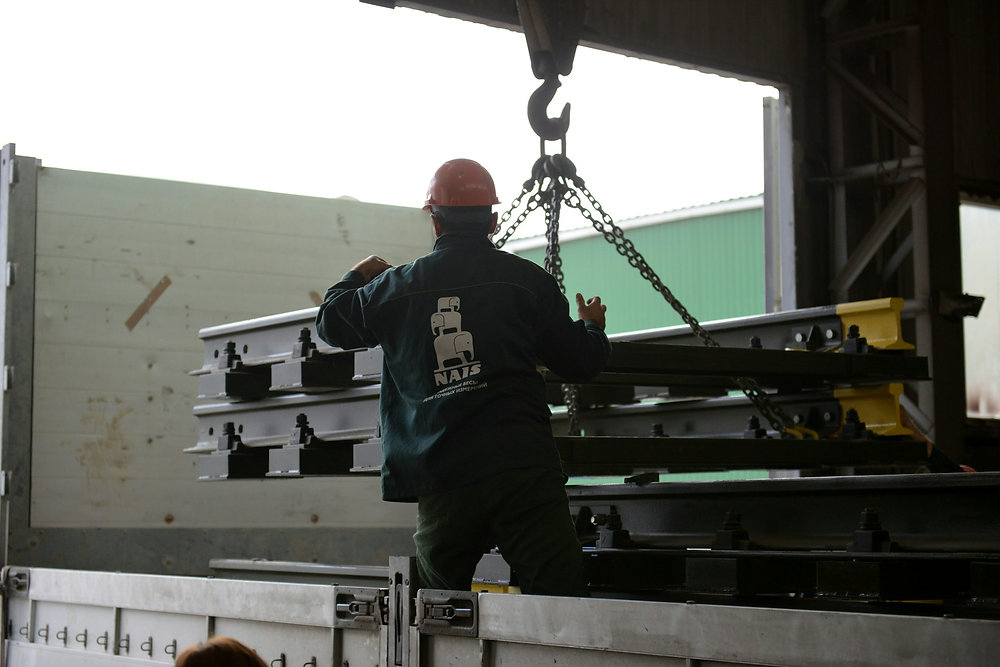
Grid reliability in construction starts long before relays are tested or breakers are closed. It starts when substation steel fabrication is planned, detailed, and scheduled in a way that keeps the entire EPC sequence intact and protects the original design intent. When structural steel shows up on time, correctly fabricated, and ready to install, crews can build in a steady, controlled way instead of rushing at the end.
Most conversations about reliability focus on commissioning, protection schemes, and long-term maintenance. The reality is that many reliability problems are baked in months earlier, when foundations are delayed waiting on long-lead structures, or when misfabricated steel forces hurried field fixes.
In our work at SteelCon, we have seen how disciplined capacity planning and predictable 6 to 8-week delivery windows on galvanized substation and transmission steel can remove a major source of avoidable risk for EPC teams.
How Construction-Phase Risks Undermine Grid Reliability
Construction is where design meets reality, and this is where reliability can quietly erode. When substation steel fabrication does not line up with the schedule or the drawings, the project team is pushed into a reactive mode that increases the chance of long-term issues.
Grid reliability during construction really comes down to four dimensions working together:
Schedule integrity, so each trade can work in the right order.
Design fidelity, so the as-built matches what engineers intended.
Field coordination, so civil, structural, and electrical work do not clash.
Safe, repeatable installation practices, without improvisation.
When structural steel is late or wrong, those four dimensions get stressed. Crews start resequencing work, stacking trades, and performing field modifications to keep the project moving. That might save the schedule on paper, but it introduces hidden defects, inconsistent clearances, and non-standard details that are harder to maintain and troubleshoot later. It is far more effective to prevent these problems at the fabrication stage than to hope commissioning tests will catch every issue at the end.
Supply Chain Delays and Long-Lead Steel Components
Substation steel lives on the critical path. If the steel is not available, foundations stay idle, primary equipment cannot be set, and buswork cannot be strung. With global steel supply volatility, mill lead times, and limited galvanizing capacity, those structural packages can easily slip weeks past their intended delivery dates.
Once that happens, the dominoes fall:
Foundations and civil work are pushed back or partially completed.
Planned outages drift out of their original windows.
Installation crews sit idle or get reassigned, then rush later.
Construction windows compress, squeezing quality and safety margins.
When field teams are pushed to catch up, they are more likely to live with small misalignments, accept marginal clearances, or rely on non-standard shims and field drilling. All of these details make the grid a little less predictable and a little harder to operate reliably.
At SteelCon, we have built our business around avoiding that pattern. By focusing on galvanized substation and transmission structures, controlling our project intake, and planning material carefully, we commit to 6 to 8-week delivery windows across the United States. That predictable cycle time gives EPCs a schedule anchor they can plan around.
Fabrication Bottlenecks and Quality Drift
Even when raw material is available, fabrication shops can become their own source of risk. When shops take on too much work or constantly switch between vastly different product types, bottlenecks and inconsistencies creep in. That is where quality drift starts.
Common fabrication issues that show up on substation projects include:
Incorrect hole patterns or bolt sizes.
Dimensional drift that throws off equipment alignments.
Incomplete or uneven galvanizing coverage.
Late discovery of design clashes that should have been flagged earlier.
Every one of these issues translates into field rework. Crews drill holes in the field, cut and weld to make pieces fit, or change hardware to match what actually showed up. Those ad hoc fixes are rarely documented with the same care as the original design, and they often shorten the long-term margin the grid depends on.
We take a different approach at SteelCon. We limit work in progress, standardize our processes around substation and transmission steel, and build quality gates into detailing, fabrication, and shipping. By catching issues before the truck leaves the yard, we reduce the chances that a structure needs to be modified in the field, which supports cleaner installations and more reliable performance over time.
Coordination Breakdowns Between EPCs and Fabricators
Coordination Breakdowns Between EPCs and Fabricators
Typical breakdowns include:
Late issued-for-construction drawings or frequent revisions.
Incomplete connection details or missing loading information.
Conflicting tolerances across civil, structural, and electrical packages.
Fragmented communication, so RFIs take too long to resolve.
When that happens, fabrication starts and stops, RFIs pile up, and designs get tweaked while steel is already in the shop. The result is often a mix of original and revised details that is tough for field crews to interpret. That confusion increases the chance of installing something in a way that technically works, but does not quite match the engineer’s original reliability assumptions.
At SteelCon, we try to pull these issues forward. We participate in early design reviews with EPCs, set clear schedule commitments, and flag potential clashes or unclear details before steel goes into production. With dedicated project points of contact, we keep engineering and fabrication aligned all the way through galvanizing and delivery, which helps the field see one consistent story rather than a set of moving targets.
Building Reliability in at the Fabrication Stage
If grid reliability is largely decided upstream, what can EPCs do to lock it in earlier? The most effective steps are surprisingly practical and repeatable.
Helpful practices we see working well include:
Locking critical substation steel fabrication packages as early as possible.
Selecting fabricators that control their capacity and can stand behind realistic 6 to 8-week lead times.
Standardizing designs for common structures to reduce one-off details.
Defining clear drawing standards so packages are truly fabrication-ready.
Holding structured pre-fabrication meetings focused on connections, tolerances, and interfaces.
When predictable fabrication timelines are paired with disciplined site planning, EPCs can sequence work logically, maintain proper inspection windows, and keep commissioning from becoming a frantic attempt to catch everything at the last minute. Our model at SteelCon, with a focused product mix, controlled capacity, and national delivery reach, is built around being that kind of reliability partner, not just a material supplier.
Turning Construction Discipline Into Long-Term Reliability
When EPCs avoid fabrication delays, bottlenecks, and coordination breakdowns, they protect the planned construction sequence, support higher quality field workmanship, and leave enough time for complete commissioning. Substation steel fabrication is not a commodity line item; it is a strategic reliability decision. At SteelCon, we view our role as helping EPCs and utilities make reliability a fabrication-level outcome, not just a commissioning checkpoint.
FAQs on Grid Reliability and Substation Steel Fabrication
How does substation steel fabrication affect grid reliability?
Structural steel is the backbone that supports primary equipment, buswork, and clearances. When steel is late, out of tolerance, or heavily modified in the field, it raises the risk of mechanical issues, clearance problems, and more difficult maintenance that can lead to outages over time.
Why are fabrication delays so common on substation projects?
Delays often come from overbooked shops, unpredictable raw material supply, and late or incomplete design information from project stakeholders. Without disciplined capacity planning and early coordination, substation steel packages tend to slide on the schedule and shift risk onto construction and commissioning.
What should EPCs look for when selecting a steel fabricator?
EPCs should focus on proven schedule reliability, clear lead time commitments, and specific experience with substation steel fabrication. Strong communication during design and detailing, along with a controlled workload and predictable 6 to 8-week delivery, greatly reduces the chance of downstream reliability problems.
How early should fabricators be involved in substation design?
Bringing the fabricator into preliminary and early detailed design helps uncover constructability issues, align on standard structures, and confirm realistic lead times. That early collaboration cuts down on RFIs, change orders, and rework, which supports both smoother construction and stronger long-term grid reliability.
Get Started With Your Project Today
If you are planning new substation work or upgrading existing infrastructure, our substation steel fabrication solutions are built to meet demanding utility standards and schedules. At SteelCon, we collaborate with your team to align design, material choices, and delivery timelines with your project goals.
Share your specs or drawings and we will provide practical feedback and a clear path to fabrication. Ready to move forward? Contact us to discuss scope, lead times, and next steps.