Blog
Galvanized Substation Equipment Support for EPC Builds
Learn how galvanized substation equipment support reduces lead times and simplifies installation so EPC contractors keep high voltage projects on schedule.
May 19, 2026 · By SteelCon Blogs · Blog
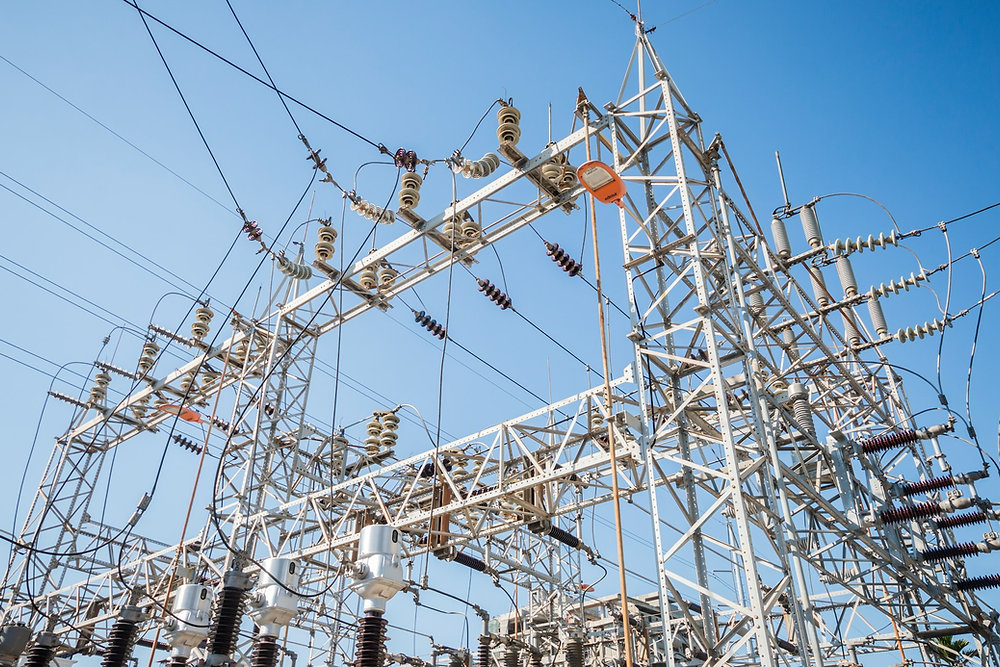
Substation equipment supports might look simple on a drawing, but they can make or break an EPC schedule. When support steel does not match foundations, equipment bases, or bus runs, you feel it immediately in crane time, field fixes, and lost days on the critical path. When it is planned and coordinated well, substation work flows, testing starts on time, and commissioning dates hold.
In this article, we will walk through what substation equipment supports are, what they actually carry, and how early coordination with a substation equipment support steel fabricator like SteelCon keeps projects moving. We will focus on the things that matter most to estimators, procurement teams, and project managers: fabrication readiness, drawing clarity, part marking, galvanizing strategy, delivery sequencing, and engineering coordination.
Why Equipment Supports Matter to EPC Schedules
Substation equipment supports are the steel structures and foundation interfaces that carry the working parts of a high-voltage substation. They hold breakers, disconnect switches, instrument transformers, bus, surge arresters, station service equipment, and cable systems in exact positions over anchor bolts and foundations. In other words, they connect your electrical design to the concrete and soil on site.
Support steel directly affects:
Fit-up between equipment bases and structural steel
Phase spacing and insulation distances
Safe operating envelopes and maintenance access
This is especially sensitive at higher voltages, where phase-to-phase and phase-to-ground clearances are tight and bus connections are less forgiving. A few inches off in elevation or bolt spacing can ripple through a bay and force field drilling, shimming, or re-routing.
For EPC teams, the schedule impact is clear. Early coordination with a substation equipment support steel fabricator helps to:
Catch mismatched interfaces before drawings are released
Align detailing, fabrication, and galvanizing with design milestones
Reduce field rework, change orders, and material expedites
When support steel planning starts late, it often shows up as missing pieces, out-of-tolerance fit-up, or misaligned bus runs that stall energization.
What Substation Equipment Supports Actually Carry
It helps to think about substation equipment supports not as generic frames, but as load paths for very specific equipment. Common components supported by structural steel for substations include:
Circuit breakers and disconnect switches
CVTs, PTs, CTs, and CCVTs
Surge arresters and station service transformers
Bus supports and shield mast bases
Cable tray, raceway, and junction box supports
Each of these brings different vertical loads, horizontal forces, and movement. Operating forces from switch operations, short-circuit forces, seismic loads, and thermal expansion of bus all influence the geometry and detailing of electrical substation structures. A breaker support that looks fine on paper may need stiffeners, bracing, or deeper sections once operating and fault loads are fully considered.
Small dimensional differences can trigger big issues in the field. For example:
Bolt patterns that do not match vendor bases force slotting or re-drilling
Incorrect elevations throw off rigid bus runs and strain equipment bushings
Out-of-plumb supports change clearances and swing envelopes
At high voltages, the bus and equipment arrangement tolerates very little improvisation. Getting the support steel right is not just a structural concern, it is an electrical clearances and reliability concern.
Designing for Fit-up, Clearances, and Constructability
Good fit-up starts with clear communication between EPC engineers and the substation steel fabrication team. When we see consistent equipment interface details and anchor bolt layouts, we can detail support steel that drops onto foundations and lines up with vendor bases.
Key items to standardize and communicate include:
Base plate dimensions and anchor bolt patterns
Equipment centerlines, phase spacing, and target elevations
Allowable field adjustment ranges and shim limits
Support accuracy directly affects electrical clearances. If a column is too short, phase-to-ground distance may shrink. If a switch support is rotated or shifted, blade swing can encroach on adjacent equipment or maintenance paths. We always look at:
Phase-to-phase and phase-to-ground distances
Equipment swing and operating envelopes
Access for maintenance and future replacements
Constructability for EPC contractors should be baked into the design. Planning splice locations, deciding what is bolted versus field-welded, and setting realistic erection tolerances all have a big impact on crane time and labor. Well-thought-out supports help crews:
Avoid field cutting and re-drilling
Set frames with fewer picks
Work safely around energized or partial facilities on expansion projects
Fabrication Readiness Starts in the Design Room
Support steel is only as good as the drawings behind it. Fabrication-ready substation equipment support drawings give detailers everything needed to produce shop drawings without guesswork. That means:
Complete dimensions in all three directions
Clear sections and details at connections
Consistent naming and tagging conventions
Material callouts and finish requirements
Drawing clarity also helps EPC estimators and buyers. When equipment support packages are well-developed, it is easier to:
Price substation steel fabrication accurately
Reduce RFIs and gray areas in bid reviews
Limit contingencies tied to missing information
Early model and drawing reviews with a substation equipment support steel fabricator can uncover gaps before they slow the schedule. Items that commonly need clarification are:
Base plate thicknesses and grout assumptions
Weld sizes and types at connection points
Stiffeners, cope details, and clip angles
Field versus shop hole requirements
Catching these upstream keeps submittal cycles smoother and avoids late redesigns that ripple into foundation and bus work.
Part Marking, Galvanizing, and Delivery That Match the Sequence
Galvanizing is not just a coating choice, it is a detailing and logistics issue. For high-voltage substation steel, vent and drain holes, pick points, and size constraints for kettles and transport all need to be considered during engineering and detailing. Poor planning can lead to:
Trapped zinc, warping, or incomplete coverage
Rework when pieces will not fit kettles or trucks
Delays if parts must be modified post-fabrication
Part marking and piece tagging are often overlooked but have a big impact on field productivity. Clear, logical marks tied to erection drawings help crews:
Identify pieces quickly in laydown yards
Assemble frames in the right sequence
Avoid installing wrong members in similar bays
From an EPC perspective, delivery sequencing is where planning really shows its value. Thoughtful sequencing can group loads by:
Foundation pour sequence
Equipment areas or bays
Voltage level or stages of energization
Some projects benefit from pre-assembled frames, others from loose pieces that can be staged in tight sites. Coordinating this with the substation equipment support steel fabricator keeps production aligned with site milestones instead of fighting them.
Engineering Coordination That Protects the Critical Path
Support steel touches multiple disciplines, so coordination points need to be intentional. Typical touchpoints between EPC design teams, procurement, and the fabricator include:
Design freeze dates for the general arrangement and equipment list
Submittal and review cycles for steel shop drawings
Decisions on equipment selection, bus configuration, and foundation design
Early involvement of a fabricator like SteelCon helps validate concepts and streamline repetitive details. We can help:
Standardize base plates, splice details, and connection types
Flag support concepts that will be difficult to fabricate or galvanize
Adjust designs when equipment data sheets or layouts shift
This coordination translates directly into schedule protection. With fewer late RFIs, less need for field modifications, and more predictable release, fabrication, galvanizing, and delivery dates, substation equipment supports stop being a source of surprise and start acting as schedule insurance.
Turning Support Steel Planning Into Schedule Insurance
Treating substation equipment supports as a critical-path workstream is one of the most practical ways EPC teams can reduce risk on substation and switchyard projects. When support steel is planned, coordinated, and sequenced early, everything that depends on it, from foundations to bus installation and commissioning, becomes more predictable.
For estimators, procurement teams, and project managers, that means building fabrication reviews into the design schedule, aligning bid packages with realistic high-voltage substation steel durations, and working with a substation equipment support steel fabricator to check constructability and logistics before drawings go out. When support steel planning is done well, the field sees fewer surprises, and commissioning dates are far more likely to hold.
Get Started With Your Project Today
If you are planning a new yard or upgrading aging infrastructure, we can help you design and fabricate the substation equipment support structures your system needs. At SteelCon, our team works directly with utilities and engineers to meet structural, electrical, and schedule requirements. Share your project details and we will recommend a clear path from concept to installation. To start the conversation, simply contact us.