Blog
Grid Expansion Driving New Substation Design Rules
Learn how grid expansion is reshaping substation design standards, timelines, and structural steel material choices across modern power projects nationwide.
October 18, 2024 · By SteelCon Blogs · Blog
Why Grid Growth Is Forcing a New Look at Substations
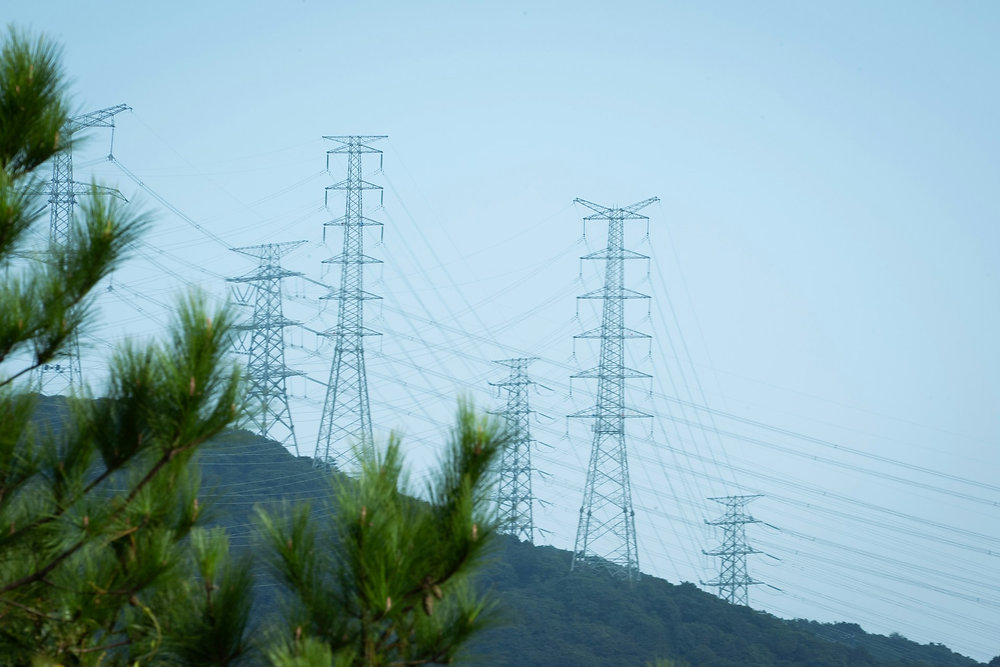
Grid expansion is not a theoretical idea on a planning slide anymore; it is happening on the ground, and it is happening fast. Load growth, large-scale renewables, data centers, electrified transportation, and new industrial loads are all pushing more power through a system that was never meant to carry this much power this far or this often. Substations sit right in the middle of that change, and the way we design and build them is being tested every day.
Traditional substation layouts and structural assumptions were shaped in an era of lower fault currents, roomier sites, and simpler protection schemes. Those conditions are now the exception, not the rule. As EPC contractors push to deliver more capacity on tighter footprints and shorter schedules, substation structural steel design is evolving to carry higher loads, handle tougher environments, and still stay constructible. At SteelCon, we see that shift up close on projects across the country.
From Traditional Layouts to Compact, High-Capacity Sites
Substations used to spread out. There was more room for long bus runs, generous clearances, and wider equipment spacing. Today, many new or expanded sites are squeezed into urban or suburban footprints, tucked beside existing facilities, or constrained by property and permitting limits. The result is simple: more power and more equipment in less space.
That directly affects substation structural steel design in several ways:
More equipment per structure, which means higher vertical and lateral loads
Tighter electrical clearances that drive more precise framing and connection layouts
Higher fault currents that increase the short-circuit forces the steel has to resist
More complex buswork that demands close coordination between structural steel and electrical design
On crowded sites, structures often support multiple functions, from primary bus and disconnects to instrument transformers and overhead line terminations. That stacking of duties raises expectations for stiffness, deflection control, and connection behavior. It is not enough for a structure to stand up; it has to limit movement so that conductors, insulators, and equipment stay where the protection and insulation studies say they need to be.
For EPC teams, this shift usually means:
Earlier engagement between civil, structural, and electrical designers
Tighter control of anchor bolt locations and embed elevations
More attention to how crews will sequence steel erection and equipment setting in confined work areas
As a fabricator focused on substation and transmission structures, we see how small changes to base plate details, splice locations, or bracing layouts can make the difference between a smooth build and a field headache when there is no extra room to work.
Renewable Integration and Changing Structural Load Profiles
Renewables are changing not just how much power flows, but how it flows. Substations that once saw relatively predictable patterns now need to handle variable, sometimes bidirectional power as solar, wind, and storage come on and off line. That shows up in the way we think about structural loading.
Instead of a single, clear direction for maximum tension or compression in a member, we may have to consider multiple operating modes:
High export from a solar or wind facility toward the grid
High import when storage is charging or generation is offline
Mixed conditions when local load and generation both swing quickly
These patterns influence conductor tensions, insulator swing, and the short-circuit forces that structures must resist. Fault levels can climb compared to the original design basis, especially when multiple sources feed a bus. That drives higher structural demands on line terminations, bus supports, and equipment stands.
To keep up, substation structural steel design is trending toward:
Stronger member sizing and connection details that anticipate future fault level increases
Flexible arrangements that allow new bays, additional circuits, or equipment swaps with minimal steel replacement
Framing that can accept changes in conductor configuration, such as new breakers or bus tie schemes, without major rework
This kind of future-minded design is not about overbuilding everything. It is about placing capacity where it is most likely to be needed later, using patterns and standard families of structures that can adapt as the site evolves. When steel is fabricated with that in mind, EPCs are better positioned to handle the next phase of the project without starting from scratch.
Weather Resilience, Codes, and Utility Standards on the Rise
Weather is getting harsher in many regions, and codes have responded with higher wind, ice, and seismic demands. Substation structures that might have passed earlier criteria can now find themselves short of current requirements if the design basis is not carefully checked. At the same time, utilities continue to refine their own standards for member sizes, connection types, and corrosion protection.
That stack of requirements usually includes:
National building codes that set baseline wind, snow, ice, and seismic loads
Local amendments that may increase those loads or add detailing rules
Utility specifications that cover member sizing, connection preferences, weld types, and inspection expectations
For substation structural steel design, the interaction between these layers drives many key decisions. A small change in mapped wind speed or importance category can change bracing schemes and member thickness. Ice and combined wind plus ice loads can push deflections to limits that demand stiffer frames. Seismic criteria may require special attention to anchor bolts, base plates, and ductility in critical members.
Because SteelCon focuses on substation and transmission structures, we put a lot of effort into understanding the specific loading criteria and galvanizing expectations for each project. Galvanized structural steel is expected to perform for a long time in tough outdoor environments, so details for drainage, venting, and coating coverage matter just as much as section sizes. Matching those technical requirements while keeping fabrication and erection practical is where design and shop experience need to work together.
Speed to Energization and Schedule-Driven Structural Decisions
Project schedules are tighter than ever. Outage windows are short, material lead times are real, and the pressure to energize new capacity quickly is constant. Those realities now shape substation structural steel design as much as pure engineering checks do.
To support fast delivery, EPC teams are often leaning into:
Modular steel assemblies that can be set and bolted quickly in the field
Standardized structure families that repeat across bays and projects
Connection details that avoid field welding and minimize special tools
Designs that fit common shipping limits and galvanizing practices
Early engagement between the design team and the fabricator is one of the most effective ways to make these choices pay off. When we can review structure types, connection details, and member selections before drawings are locked, we can suggest:
Adjustments that speed shop fabrication and reduce waste
Connection patterns that are easier and faster for field crews
Splice and shipping break locations that align with galvanizing and transport limits
Another key part of schedule control is clean, clash-free models and drawings that are truly ready for fabrication. When structural steel, buswork, insulators, and equipment pads are coordinated upfront, the chance of late field changes drops, and so does the risk of rework.
Partnering with SteelCon to Meet Tomorrow’s Grid Demands
Grid expansion, renewable integration, and higher resilience expectations are not temporary spikes in activity; they are reshaping how substations are planned, designed, and built. Substation structural steel design now has to do more: carry higher electrical and environmental loads, fit into tighter spaces, support flexible configurations, and still arrive on site in time for aggressive energization dates.
As a U.S.-based fabricator focused on galvanized structural steel and transmission structures for electrical substations, our role at SteelCon is to help EPC teams turn those evolving requirements into steel that works in the real world. That means structures that meet utility standards and code loads, details that suit galvanizing and shipping, and assemblies that can be erected efficiently even on crowded, schedule-pressured sites.
For EPCs, the opportunity is clear. When structural design and fabrication are aligned from the start, projects gain reliability, constructability, and schedule confidence. As grid projects continue to grow in size and urgency, that alignment will only become more important for every substation that connects the next wave of load and generation.
Get Started With Your Project Today
If you are planning a new yard or upgrading existing infrastructure, our team can help you navigate every detail of substation structural steel design from concept through fabrication. At SteelCon, we work closely with your engineers and field crews to align clearances, loading, and constructability with your schedule and budget. Share your project requirements and drawings, and we will provide a tailored path forward with practical options and realistic timelines. Ready to move ahead with your next build or retrofit, or need a second set of eyes on a challenging structure, contact us today.