Blog
Modern Substation Design for the Data Center Surge
See how modern substations meet soaring data center demand, and why substation steel fabrication ensures fast, durable builds for utilities and EPCs.
November 7, 2024 · By SteelCon Blogs · Blog
Powering the Digital World Starts at the Substation
Data centers are growing faster than many power providers ever expected, and every new rack of servers starts with something very physical: reliable, high-capacity power at the substation. Cloud platforms, streaming, and AI all depend on steady electricity long before data hits a fiber line. If the substation feeding a data center is late, underbuilt, or unreliable, it does not matter how advanced the IT hardware is.
At SteelCon, we see more developers, utilities, and EPC contractors treating the substation as a core part of the data center itself, not just a utility asset somewhere on the edge of the property. A substation steps voltage up or down, protects equipment, and lets operators switch and isolate parts of the system safely. For hyperscale and colocation data centers, that function is mission-critical, and the quality and speed of substation design, construction, and substation steel fabrication have a direct impact on uptime, scalability, and time-to-market.
Why Data Centers Are Transforming Grid Requirements
Large data centers act like heavy industrial loads, often drawing hundreds of megawatts from the grid with very tight expectations around power quality and reliability. They cannot tolerate long outages, frequent voltage dips, or equipment that is hard to maintain. To serve that kind of demand, utilities and EPC teams often need to plan dedicated substations or deep upgrades to existing ones.
Several trends are pushing traditional grid planning to its limits:
Clustering of data centers in a few regions, following fiber routes and favorable conditions
Fast-track project schedules where power needs to be ready on or ahead of IT buildout
Higher voltage delivery and larger substation footprints to feed concentrated IT loads
When multiple large facilities collect in the same area, the stress on existing transmission and distribution networks increases quickly. Circuits that were originally sized for mixed residential and commercial use may not support multiple data campuses without major reinforcement. That is where new substations or major expansions come in, and why utilities and developers rely on partners who understand how to support these high-demand projects.
Inside the Substation: Structures That Keep Power Flowing
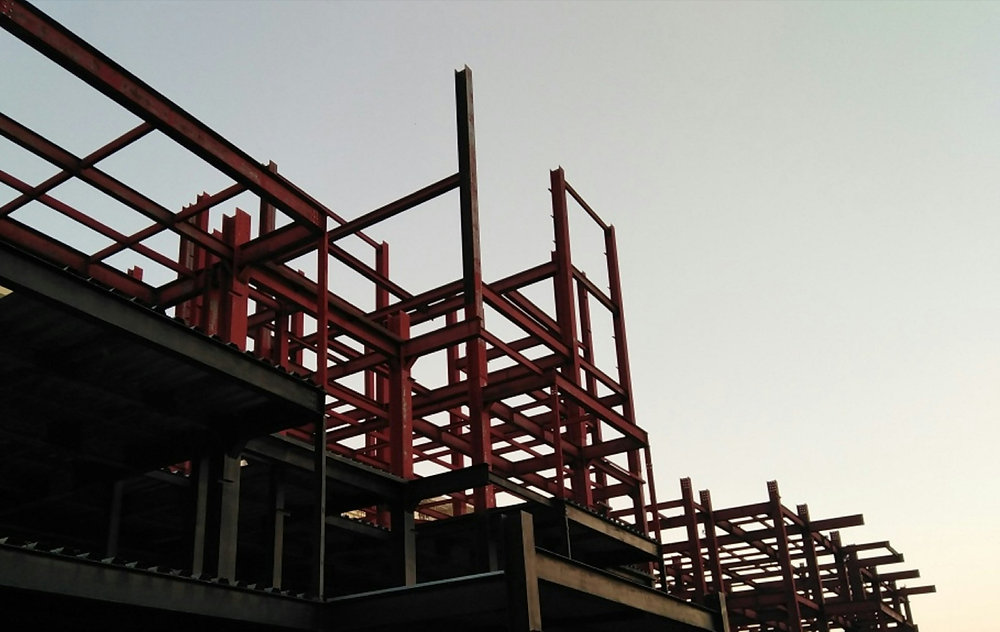
Behind every energized substation is a field of steel that keeps the electrical equipment in the right place, at the right elevation, with the right clearances. The steel is not just background framing; it is a core part of the electrical system’s safety and reliability. If structures are not built and installed correctly, it can affect everything from air clearances to maintenance access.
Key substation steel elements typically include:
Steel structures for buswork and bus supports
Equipment stands for breakers, instrument transformers, and reactors
Deadend structures for terminating transmission or distribution lines
Shield poles and masts to help manage lightning protection and overhead wire routing
Thoughtful structural design and precise substation steel fabrication help these pieces withstand mechanical loads from conductors, as well as wind, ice, and everyday thermal cycling. For data center programs planning multiple, similar campuses, standardized, engineered steel packages are especially valuable. Repeatable structure families, consistent connection details, and coordinated materials help EPC teams simplify engineering, reduce guesswork in the field, and scale projects across a portfolio instead of treating every site as a one-off.
Meeting Data Center Timelines with Smarter Steel Fabrication
Data center schedules are often aggressive, and substation work usually has to be finished early so commissioning can run in parallel with IT fit-out. Many utilities and EPC contractors start from a fixed go-live date and work backward, which puts intense pressure on every step of the process, especially steel detailing, fabrication, and delivery.
For this kind of schedule, how and where substation steel is fabricated matters. Domestic substation steel fabrication, supported by multiple U.S. plants like SteelCon operates, can help:
Shorten lead times by cutting shipping distances
Reduce logistics risk and port-related delays
Provide more predictable coordination between fabrication and site work
Schedule gains are not only about raw capacity; they also come from how carefully the work is planned before steel arrives on site. Coordinated detailing and accurate shop drawings reduce RFIs and field fixes. Kitted shipments, where related parts are bundled and clearly labeled, let construction crews erect structures faster and with less confusion. For fast-track substation and switchyard projects tied to critical data centers, those time savings can make the difference between hitting a power-on milestone or pushing back IT deployment.
Designing Substations for Reliability, Resilience, and Growth
Data center operators expect near-perfect uptime, and that expectation reaches all the way back to the substation fence. Layout and structural choices support electrical redundancy schemes like N+1 or 2N, where failures are contained and alternate power paths are always available. That often means parallel transformers, multiple line positions, and physical separation between key elements, all of which rely on well-planned steel layouts.
Substation structures also have to stand up to the environment for decades. Engineers account for:
Seismic loading based on local conditions
Wind and ice loading that can affect conductors and structures
Site-specific concerns such as increased wildfire or flood risk
For facilities that support critical IT loads, planning for growth is just as important as planning for day one. Scalable designs and flexible steel infrastructure give utilities and developers room to add transformers, extend buswork, or build new bays as power needs rise. By thinking ahead about clearances, future steel foundations, and repeatable structural families, project teams can expand capacity without redesigning the entire yard.
How SteelCon Supports High-Stakes Power Infrastructure
SteelCon focuses on galvanized structural steel for substations, switchyards, and transmission infrastructure across the United States, including projects that serve large power users such as data centers. From our perspective inside the fabrication process, we see how much value EPC firms and utilities gain when their steel partner understands both the schedule pressure and the technical requirements of high-voltage work.
Some of the ways our approach supports these projects include:
Experience working within complex EPC-driven timelines and phasing plans
Familiarity with the kinds of standards and preferences utilities bring to substation designs
High-capacity substation steel fabrication supported by multiple U.S. facilities for national coverage
Early collaboration is usually where the biggest gains show up. When project teams involve our detailers and engineers at the start, we can talk through material choices, connection details, and opportunities to standardize structure families across a data center program. That kind of front-end coordination often improves constructability, helps control costs tied to rework, and reduces schedule risk once foundations are poured and steel is on the road.
Turning Substation Plans Into Reliable Data Center Power
The rapid rise of data centers is tightly linked to the ability to design, fabricate, and build substations that deliver massive, round-the-clock power safely and consistently. The electrical design, protection scheme, and controls all matter, but the steel that supports the yard is just as important for long-term reliability, scalability, and construction speed.
For utilities, developers, and EPC firms, treating substation steel structures as strategic assets instead of low-priority commodities can pay off across an entire data center portfolio. When substation steel fabrication is aligned with aggressive project timelines, standardized design programs, and long-term expansion plans, it becomes a foundation for the digital services that so many people now rely on every day.
Get Reliable Substation Steel Solutions In Your Timeline
If you are planning a new yard or upgrading an existing facility, we can support your project with precision substation steel fabrication that aligns with your schedule and technical requirements. At SteelCon, our team works closely with utilities, EPCs, and contractors to ensure every structure arrives ready for efficient installation. Tell us about your design, loading, and site constraints so we can recommend the right approach. To discuss specifications or request a quote, contact us today.