Blog
Multi-Facility Steel Fabrication for Substations
Learn how multi-facility production keeps schedules predictable in substation steel fabrication, reducing delays for EPCs across the United States.
November 29, 2024 · By SteelCon Blogs · Blog
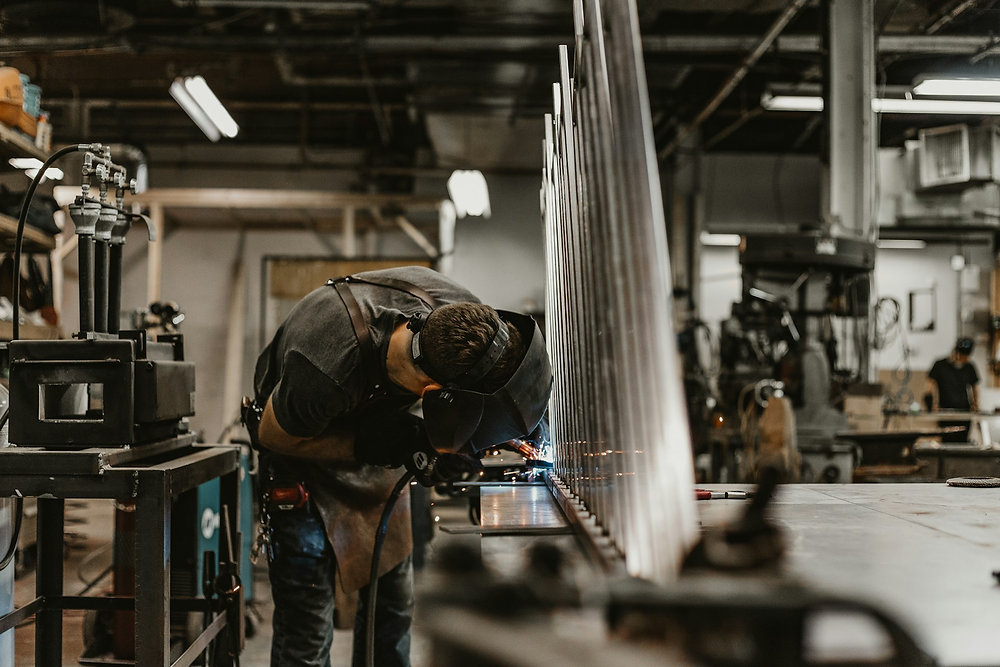
Keeping a substation project on schedule is not just about staying organized; it is about protecting your budget, your client relationships, and the grid reliability your end users expect. When an EPC team commits to an in-service date, every decision from design to energization has to support that commitment. Delays in one area, especially structural steel, tend to ripple through the rest of the build.
Substation steel fabrication sits early in the critical path. Foundations, anchor bolts, structural steel, and transmission structures have to be in place before equipment setting, bus work, and final terminations can move forward. If steel arrives late or out of sequence, field crews wait, cranes sit idle, and carefully planned outages get pushed. That is why capacity and schedule certainty at the fabricator level matter so much.
Multi-facility fabrication is one of the strongest tools we have to give EPCs and utilities more predictability. It is not just about having more square footage under roof. It is about having coordinated production locations that work together as one system to keep your project moving. At SteelCon, as a U.S.-based substation-focused fabricator, we have built our operations around that idea of predictable production with national reach.
What Multi-Facility Fabrication Really Means in Practice
When we talk about multi-facility fabrication, we are talking about more than just multiple shops scattered across a map. In practice, it means a connected set of production locations operating under the same playbook, with shared standards and common expectations for quality and schedule.
A true multi-facility model typically includes elements like:
Multiple fabrication locations that can share workload
Unified quality systems and procedures across all plants
Standardized detailing practices and material specifications
Coordinated scheduling that treats all capacity as one pool
Shared digital tools so everyone is working from the same information
On the front end, engineering, detailing, and production planning all have to be integrated. When drawings are produced, we plan how work will be split between facilities so the best available capacity is used without creating headaches in the field. That means coordinating:
Which structures are produced at which facility
How sequences align with foundation and erection plans
How galvanizing schedules are timed to support shipping windows
Common procedures are just as important as shared capacity. Material grades, welding qualifications, fit-up standards, and galvanizing expectations need to match across locations so a dead end structure produced in one facility aligns perfectly with a bus support produced in another.
Digital coordination tools make this work in real time. Shared production tracking, document control, and status updates give EPC project teams visibility into where each major structure stands in the process. When everyone can see what is detailed, what is in fabrication, what is at galvanizing, and what is shipping, it is much easier to make informed decisions in the field.
Reducing Schedule Risk Through Distributed Capacity
Every substation or transmission project hits moments of peak demand. Maybe you have several projects overlapping, or a utility pushes for an earlier energization date. A single-facility fabricator can quickly become a bottleneck in these situations, even with the best intentions.
Distributed capacity helps reduce that schedule risk in several ways:
Workloads can be balanced across locations when one plant is near capacity
Priority structures can be shifted to the facility with the fastest available slot
Seasonal or regional disruptions can be offset by other locations
Fabrication of long-lead items can run in parallel, not in a long queue
For EPCs and utilities, this directly affects critical path items. Primary steel, bus supports, dead end structures, and high mast components often drive the construction sequence. When these structures can be produced across multiple facilities, you gain more options to keep them moving on schedule, even when multiple projects are active.
There is also a contingency benefit. If one line or shop is affected by weather, local labor constraints, or a material delay, the ability to shift work to another facility can protect your milestone dates. Instead of accepting a slip, your fabricator has more levers to pull.
All of this adds up to more reliable delivery windows, fewer field delays, and more predictable commissioning dates. When you are planning outages, coordinating with utilities, or tying into existing transmission infrastructure, that kind of predictability is one of the most valuable things a substation steel fabrication partner can provide.
Optimizing Logistics, Freight, and Site Readiness
Getting steel fabricated on time is only half the battle. Getting it to the site in a way that supports construction sequencing is just as important. Multi-facility fabrication provides more options to optimize freight and site readiness.
With multiple locations, we can plan shipments to:
Originate from the closest or most efficient facility for your site
Reduce haul distances and associated freight costs
Support regional project clusters without overburdening one plant
Staged fabrication and shipping are especially powerful. Instead of sending everything at once, we can align production and deliveries with your construction plan. For example, one facility might focus on primary steel and dead end structures that need to be on site first, while another handles secondary steel and smaller assemblies that can follow as foundations and primary structures are completed.
Good packaging, labeling, and kitting practices tie the whole system together. When different facilities contribute to the same project, we focus on:
Clear markings and piece tags that match your erection drawings
Kitting by bay or area so crews are not hunting for parts
Documentation that keeps heat numbers and mill certs easy to track
The result is less congestion in the laydown yard, fewer instances of double handling, and less time lost searching for specific pieces. Crews can unload, sort, and erect with confidence that the right steel is on site at the right time.
Ensuring Consistent Quality Across Multiple Facilities
One fair concern with multi-facility fabrication is quality consistency. If your structures are coming from more than one plant, how do you know everything will fit together the way it should in the field?
The answer starts with standardization at the detailing and planning level. When shop drawings and bills of material are developed under a common standard, they set clear expectations for every facility involved. That helps prevent mismatches in:
Hole sizes and patterns
Connection details and hardware requirements
Member sizes and lengths
Coating requirements and galvanizing specifications
On the shop floor, strong QA and QC programs keep quality consistent. Certified welders, qualified procedures, inspections, and traceable mill certifications are part of that system. Consistent galvanizing processes and inspection criteria across locations help ensure uniform coating quality and steel performance over the life of the substation.
For complex transmission structures and substation steel, trial fits and mock-ups are valuable tools. Lessons learned from one project or facility can be shared across locations so the entire system gets better over time. When teams talk to each other and work from the same standards, you gain the upside of multi-facility capacity without sacrificing field fit up or long-term durability.
Partnering with a Fabricator Built for Complex Substations
Multi-facility fabrication is not a nice-to-have add-on for substation work; it is a practical way to build safer, faster, and more predictable projects. Distributed capacity keeps critical path steel on track. Coordinated logistics help crews work efficiently. Shared standards and quality systems protect field performance.
For EPCs, utilities, and developers, there is also value in working with a fabricator that focuses specifically on substation steel fabrication. Understanding electrical clearances, equipment loading, utility standards, and how structures interact with conductors and equipment is essential when you are planning foundations, anchor bolts, and steel deliveries that cannot slip.
At SteelCon, our goal as a U.S.-based substation-focused fabricator is to be a partner in that planning, not just a supplier. When project teams involve us early in design and procurement, we can help align capacity planning, constructability input, and phased delivery strategies with the realities of multi-facility production. That collaboration helps turn fabrication capacity into schedule certainty, which is what keeps substation projects on track from the first foundation to energization.
Get Started With Your Project Today
If you are planning a new yard or upgrading existing infrastructure, our substation steel fabrication capabilities can help you streamline schedules and reduce field issues.
At SteelCon, we work directly with your engineering and construction teams to deliver structures that meet your technical, safety, and timeline requirements. Share your drawings, specs, or concepts and we will help you move from design to procurement with clear pricing and realistic lead times. To discuss your project in more detail, contact us today.