Blog
Substation Expansion Bottlenecks And Steel Solutions
Learn how substation expansion can create grid bottlenecks and how fabrication capacity and lead-time planning affect project schedules.
December 19, 2024 · By SteelCon Blogs · Blog
Why Expanding Substations Is Suddenly So Hard
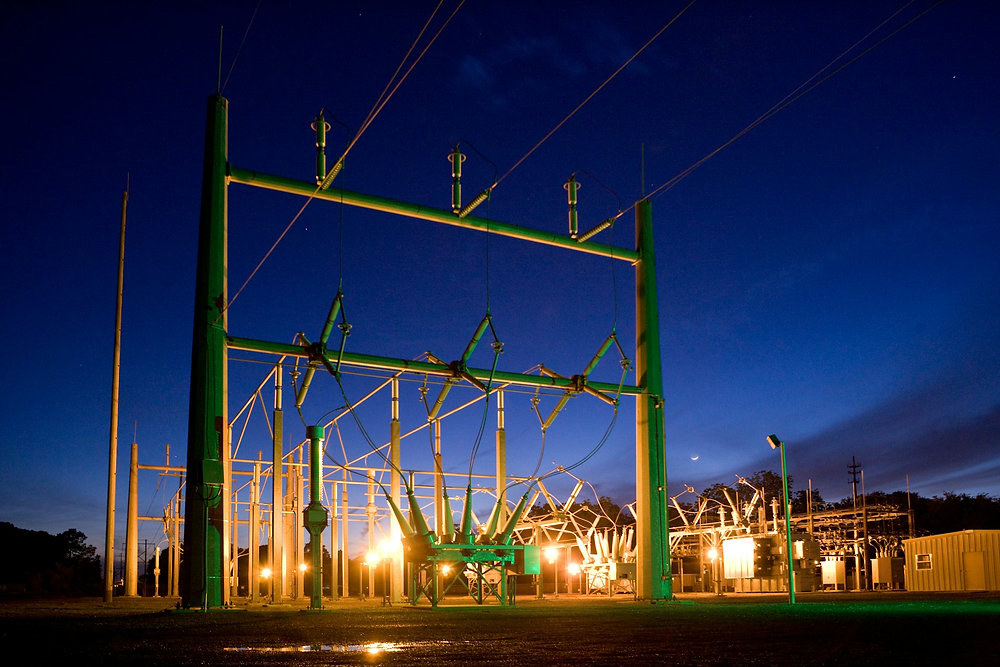
Substation expansion used to be something utilities could plan years out, slot into a broader transmission project, and expect to move forward with a fairly predictable sequence. That comfort is gone. Load growth from data centers, transportation and building electrification, and a surge of renewable projects has turned substation work into a scramble.
The pressure is not just on getting new lines built. Substations are becoming the true pinch point in connecting generation and high-density loads to the grid. Projects that are fully funded and politically supported still get stuck at the substation, held back by permitting delays, limited engineering bandwidth, material shortages, and long-lead specialty work like substation steel fabrication. If you work at a utility or EPC contractor, you feel this in every schedule update and risk register.
How Substation Projects Became the New Critical Path
Traditional grid projects often treated the substation as one piece of a larger puzzle. The sequence was familiar: planning, interconnection studies, permitting, detailed engineering, procurement, construction, and commissioning. Transmission lines used to dominate the schedule risk, especially where rights-of-way and environmental reviews took center stage.
That balance has shifted. Today, more work involves brownfield expansions in live yards rather than clean-slate greenfield sites. That means:
Complex bus work modifications around energized equipment
Tight outage windows that limit when steel structures can be set or modified
Higher fault currents that demand heavier, more intricate steel designs
Careful coordination with existing foundations, cable trenches, and grounding
When substation scopes get more complex, every step amplifies delays. Local jurisdictions may require new approvals for even modest footprint expansions or taller structures. Engineers must bend designs around legacy layouts that were never intended to carry today’s loads. Outage windows might only open for a short season, which compresses construction and raises the stakes for any misstep. Meanwhile, specialty engineers and fabricators that focus on substation steel are dealing with growing backlogs.
Instead of being just another workstream, the substation often becomes the path that dictates the entire project’s critical dates. If steel detailing, fabrication, or delivery moves, outage plans move, field crews sit idle, and energization slips.
Material and Supply Chain Constraints Behind the Delays
Under the surface, a mix of material and supply chain constraints is driving many of these bottlenecks. Substations depend on coordinated delivery of several specialized components that rarely come straight off the shelf.
Key material pressure points often include:
Structural steel, with project-specific geometry and loading
High-voltage equipment like breakers and disconnects
Concrete for foundations, equipment pads, and cable trenches
Hardware and connection details tailored to each design
Substation steel fabrication is especially sensitive. Each yard has its own layout, loading, and future expansion needs, so copy-paste structures are less common than many would like. That means engineering-intensive detailing, careful coordination with bus and equipment heights, and precise shop work.
A few specific realities add to the pressure:
Galvanizing capacity and mill lead times can stretch schedules, especially when many projects chase the same windows.
Transportation logistics, particularly for remote greenfield sites or extremely tight brownfield access, leave little room for re-deliveries or rework.
Late design changes from utilities or EPCs, even small adjustments in equipment selection or bus elevation, cascade through shop drawings, fabrication slots, and shipping dates.
On top of that, substation projects often rely on a fragmented set of vendors: structural steel fabricators, galvanizers, equipment OEMs, civil subcontractors, and specialty installers. When substation work is on the critical path, any slip in coordination between those players shows up as real schedule risk.
Grid Reliability Risks From Substation Bottlenecks
When substation work stalls, it is not just a project management headache. It is a reliability issue. Delayed expansions slow down interconnections for new generation, including renewables that were counted on to replace aging assets. That can leave older, less efficient plants on the system longer and keep existing substations running closer to their limits.
A constrained substation affects reliability in several ways:
Limited redundancy, which reduces options for rerouting power during equipment failures
Higher loading on existing feeders, bus work, and transformers
Less flexibility to take equipment out of service for maintenance
Tighter margins when responding to storms or other extreme events
The financial and regulatory consequences follow quickly. Missed interconnection milestones can trigger penalties or damage relationships with developers. Utilities may struggle to meet regulatory expectations around reliability and clean energy integration. EPCs are left trying to justify schedule slips when most of the delay stems from choke points at the substation level.
Strategies EPCs Use to Unclog Substation Timelines
The good news is that many of the worst bottlenecks are predictable. EPCs that treat substation work as a strategic element, not an afterthought, are finding ways to protect their schedules.
We see several strategies paying off:
Early-stage constructability reviews that bring fabrication-focused partners into conceptual and detailed design
Smarter procurement sequencing that locks in long-lead items such as substation steel fabrication and major equipment
Design approaches that favor repeatable details and modular structures where feasible
Risk planning that accounts for permitting, outages, and field surprises
Early constructability input helps identify where complex or uncommon steel details can be simplified without sacrificing performance. Standardizing connection types, base plates, and bracing patterns often reduces detailing hours and shop complexity. When EPCs align engineering milestones with fabricator and galvanizer capacity, lead times become realistic instead of aspirational.
On the layout side, repeatable steel families and modular structures can shorten both design and erection. Crews learn the patterns, field adjustments are minimized, and the impact of late changes shrinks. At the same time, realistic risk buffers around outages and permitting help prevent one slip from knocking over the entire schedule.
How SteelCon Helps EPCs Build Substations Without Bottlenecks
This is where a focused fabricator can make a real difference. SteelCon is a U.S.-based substation steel fabricator dedicated to galvanized structural steel and transmission structures for electrical substations and power infrastructure projects. Our work with EPC contractors across the country keeps us close to the daily realities of these schedules.
Because we specialize in substation steel fabrication, we pay particular attention to predictable production timelines. That starts with integrated detailing that matches how steel is actually built, then continues through coordinated galvanizing and shipping plans that reflect site conditions and outage windows. When EPCs have reliable dates for drawings, fabrication, and delivery, substation work is less likely to become the bottleneck that dictates everything else.
In practice, collaboration often looks like:
Early input on steel design concepts so connection types and member sizes support faster detailing and fabrication
Schedule commitments grounded in real shop and galvanizing capacity, not wishful thinking
Clear communication that helps EPC teams align their foundations, outage planning, and structure erection activities
For utilities and EPCs with ongoing capital programs, there is another advantage. Standardizing steel details across multiple projects and partnering with a substation-focused fabricator reduces rework from one job to the next. As design libraries mature and field crews see the same details repeatedly, cycle times shrink and schedule risk drops across the entire program.
Turning Substation Expansion From Bottleneck to Advantage
Substation expansion has quietly become one of the main reasons grid projects slip, even when funding and public support are in place. The combination of brownfield complexity, long-lead materials, and constrained engineering and fabrication capacity means yards are often where schedules go sideways. Yet many of these bottlenecks are avoidable when substations are treated as central to planning rather than a late-stage detail after lines and generation are defined.
For utilities and EPCs, that shift in mindset is powerful. When you recognize substations as strategic assets in both reliability and schedule planning, you start looking earlier at how substation steel fabrication, equipment procurement, and vendor coordination can either slow you down or help you move faster. By engaging specialists sooner, aligning design choices with realistic lead times, and building programs around repeatable details, it becomes possible to bring new capacity online more quickly and with fewer surprises.
Start Building A Stronger, More Reliable Substation Today
If you are planning upgrades or new utility infrastructure, our substation steel fabrication capabilities are designed to meet demanding schedules and performance requirements. At SteelCon, we collaborate with your team to align designs, materials, and timelines so your project moves forward with fewer surprises. Tell us about your goals and constraints, and we will help you define a clear, achievable path to completion. Ready to discuss specifics or request a proposal? Contact us so we can get started.