Substation Structural Steel Design From Spec To Shop
Learn how EPC teams turn substation structural steel design specs into fabrication-ready details, improving lead times, fit-up, and schedule certainty.
June 5, 2025 · By SteelCon Blogs
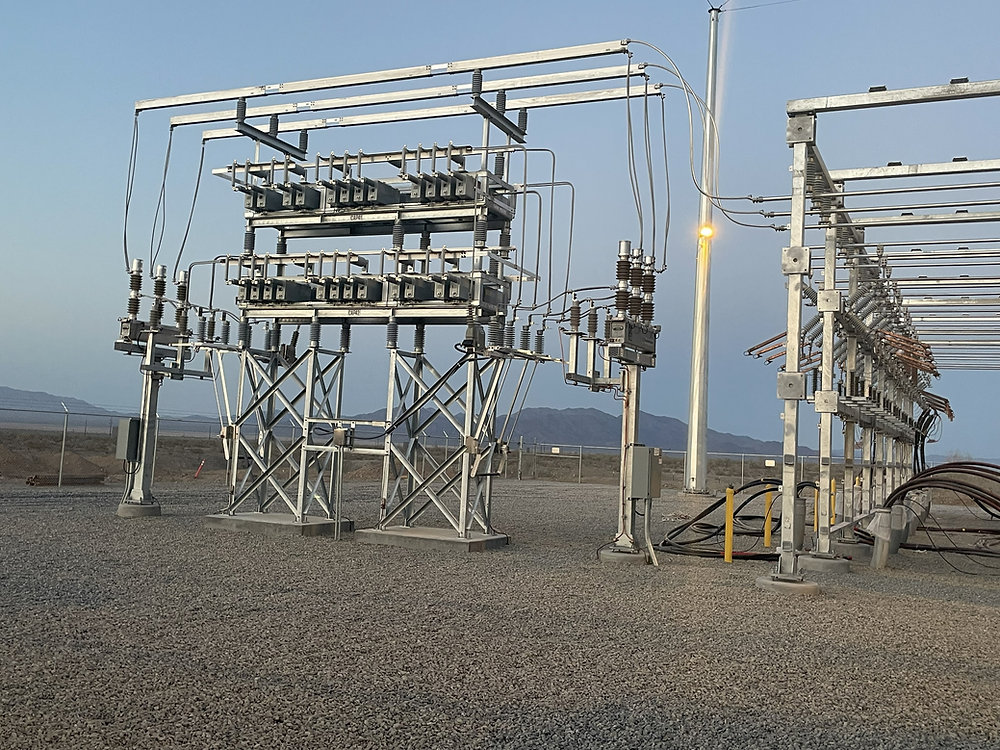
Substation structural steel design is not just lines on a drawing. When the weather heats up and power demand climbs, those lines have to turn into real steel that fits, bolts, and stands up to heavy loads. If the design and the fabrication shop are not aligned, schedules slip, outages drag, and crews end up fixing problems in the field.
EPC teams feel this most in late spring and summer, when utilities push hard on grid hardening, summer readiness, and transmission upgrades. Clear, buildable specs keep those projects moving.
At SteelCon, we focus on turning complex design criteria into predictable, fabrication-ready steel packages that line up with program-level timelines. Let us walk through how to move from theory on paper to real confidence in the shop and in the field, with fewer RFIs, fewer field fixes, and fewer surprises.
Reading Between the Lines of Substation Steel Specs
On a good day, substation structural steel design criteria spell out everything the project needs. Most design packages touch on things like:
Loading assumptions for wind, ice, and equipment
Electrical clearances and phase spacing
Equipment support needs, including future positions
Grounding and bond points at structures
Coating and galvanizing requirements
Connection details, from bolt sizes to hole patterns
The challenge is that not every detail is always clear. Drawings can leave questions like: where is the true load path? Do all the connection notes match the member sizes? Are the foundation anchor layouts and steel base plates really speaking the same language?
Common gaps that slow projects down include:
Missing or conflicting connection information
Unclear bracing or stiffener needs at high-load points
Mismatched foundation and base plate details
Vague notes on grounding lugs and interfaces
Coating callouts that do not match the steel shapes or process
When these issues surface late, RFIs start flying just as construction windows tighten. Crews are getting ready to pour foundations, cranes are scheduled, and then the team finds a missing dimension or unclear connection.
Early design-assist with a fabricator that understands substation work helps catch these things before they become schedule problems. When we get involved early, we can review specs with the EPC team, ask the right questions, and confirm that what is drawn is actually buildable.
Turning Engineering Intent Into Fabrication Certainty
Once the design intent is clear, the real work starts: turning that engineering model into shop-ready drawings and parts. This is where a repeatable process matters. At SteelCon, we take engineering models and drawings and move them through a structured path to fabrication.
Key steps include:
3D modeling of the steel so every member, plate, and connection is clear
Clash checks with equipment layouts to avoid conflicts in the yard
Connection engineering to match loads, clearances, and field practices
Standardizing details where the spec allows, so parts repeat across sites
We put a lot of attention on design reviews before anything hits the shop floor. That means walking the model from the base plates to the highest structures, checking fit, bolt access, and erection sequence. Small things like bolt orientation, hole spacing, and common plate sizes add up to real time savings for crews working inside tight outage windows.
Substation structural steel design is not only about strength. It is about how the steel works with actual field conditions, such as:
Equipment layouts that may shift during procurement
Conductor pulls and angles that change loads on structures
Safety clearances for workers and live parts
Local weather conditions, like strong summer storms
By lining up the engineered galvanized steel structures with these real-world factors, we help crews set and bolt steel without surprises during the hottest, busiest months.
Predictable Lead Times with Multi-Plant Fabrication
When project backlogs peak in spring and summer, lead time becomes just as important as design. Multiple U.S. fabrication facilities give EPC teams more options. Work can be routed based on schedule, scope, and geography instead of trying to force everything through one crowded shop.
The trick is making sure the design criteria match the way the plants build. That often means standardizing around:
Common steel sections that are readily available
Preferred connection styles and bolt sizes
Repeatable base plate and splice details
Galvanizing-friendly details that coat well and drain correctly
When designs line up with standard practices, material flows faster and lead times become more predictable. At SteelCon, we plan capacity, sequencing, and logistics around project milestones so steel deliveries match foundation work, equipment arrivals, and outage schedules. The goal is simple: steel shows up when crews are ready, not months before or weeks after.
Thoughtful logistics also cuts down on site congestion. Bundling and labeling by structure or area helps the field team unload, stage, and set steel in a logical order, which is especially helpful when sites are tight or weather in regions like the Hudson Valley can turn quickly.
Designing for Long-Term Reliability and Field Assembly
Good design criteria do more than get a project energized. They set up the steel to last and to be easy to work with over the long term. For substation structures that live outdoors in all seasons, that means paying attention to:
Galvanizing requirements and coating thickness
Details that avoid water traps and hard-to-inspect pockets
Structural performance under high winds and heavy ice
Space for future equipment or conductor upgrades
Field assembly is a big part of this story. When detailing is done with crews in mind, installation is smoother and safer. We focus on things like:
Bolt access so workers are not fighting to get a wrench in place
Realistic erection tolerances that match survey and foundation work
Modularization where it makes sense, so units can be preassembled
Clear, consistent part markings so there is no guessing which piece goes where
This is where standards-based, repeatable solutions really pay off. When EPC teams can apply the same families of details across many sites, learning curves shrink and install times become more consistent. Programs grow faster because the team is not redesigning every small connection from scratch.
Making Your Next Substation Package Fabrication Ready
When substation structural steel design criteria line up with fabrication reality, everything gets easier. Risk drops, schedules compress, and energization dates become more reliable. Early collaboration, clear specs, and field-aware detailing reduce RFIs, rework, and last-minute changes that strain crews during peak demand season.
Practical steps for EPC teams include involving a fabricator early in the design cycle, standardizing details that work, and reviewing specs specifically for fabricator-ready readiness.
As Q2 design work ramps up, it is the perfect time to get Q3 and Q4 substation and transmission steel packages aligned with a fabricator that understands schedule pressure. At SteelCon, we focus on spec-driven, schedule-focused steel so utilities and EPC partners can move from design intent to fabrication certainty with confidence.
Get Started With Your Project Today
If your next utility project demands precise substation structural steel design, we are ready to help you move from concept to constructible details. At SteelCon, we collaborate with your engineering and construction teams to align schedules, budgets, and performance requirements.
Share your project goals with us so we can recommend the right approach and deliverables. To begin the conversation, contact us and we will follow up with next steps.