News
Evaluating Transmission Steel Structures for Long-Term Grid Programs
Learn how to assess transmission steel structures for long-term grid programs, with criteria for durability, coatings, inspections, and upgrades.
October 30, 2026 · By SteelCon Team · News
Build Grid Programs That Perform for Decades
Long-term grid programs are not just a stack of projects; they are promises to communities that the lights will stay on when the weather turns rough. Utilities and EPCs are trying to replace aging lines, meet new reliability goals, and hit tight outage windows, often all at once. Winter peaks, wildfire seasons, hurricanes, and heavy storms do not wait for late deliveries or field rework.
Transmission steel structures sit right in the middle of that challenge. When they are engineered and produced with the whole program in mind, they bring consistency, safety, and steady schedules across different regions and climates. When they are treated like one-off buys, small gaps in planning can grow into big delays.
Our goal here is to share a practical way to think about transmission steel structures for long-term grid work. We will look at how to line up structure design with long-range plans, what to look for in manufacturing, and how to manage risk across many states and utilities so your program stays aligned with the grid you know is coming next.
Align Long-Term Grid Strategy with Structure Design
For multi-year transmission programs, structure decisions should start with the long view. Instead of asking only what you need for the next build season, it helps to ask what you want the line to handle for the next few decades.
That long-range grid plan should shape choices like structure families, loading rules, and corrosion protection. When structure planning and grid strategy are linked, EPCs and utilities can support more change without constant redesigns.
A good way to think about it is to plan structures by program, not by single project. That often includes:
- Picking a core set of standard structure types and variations
- Defining clear loading and clearance rules for the whole program
- Agreeing upfront on how to handle future capacity increases
Standardization pays off in many small ways. It makes it easier to reuse details, simplifies line design, and keeps procurement cleaner. Crews in the field see familiar patterns, which can help with safer and faster work. Over time, O&M teams are dealing with a smaller, known family of structures instead of a mixed bag from past projects.
Future needs matter too. The grid is seeing more renewables, shifting load pockets, and new clearance expectations in some areas. It is smart to ask early questions such as: Will we need higher circuits here later? Could this corridor need more fiber or new equipment down the road? That kind of thinking can guide decisions on heights, arm layouts, and space for add-ons so you are not boxed in later.
Evaluate Manufacturing Capabilities for Program-Scale Work
The best structure design does not help much if the fabricator cannot keep up with the program. For multi-year work, it is important to look beyond a single bid number and see how a potential partner actually runs their shop.
Key points to review include:
- True production capacity and how they handle peaks
- Level of automation and how it ties to repeatable quality
- Workforce stability and experience with grid projects
Predictable production timelines may matter as much as raw capacity. EPCs need to know when towers, poles, and hardware will arrive, not just that they will arrive eventually. Look for partners who share clear schedules, track milestones, and keep you updated when things change. For seasonal construction, that can mean planning around frozen access in one region and late-fall storms in another.
We see a big benefit when engineering and fabrication are tightly linked. Integrated workflows help catch issues before steel is cut, which reduces:
- Rework in the shop
- Fit-up problems in the field
- Surprise delays on the critical path
Reliable QA/QC at each step supports this too. When the same checks are applied across all your structure families, it builds trust that what leaves the plant will fit the program, not just the drawing.
Prioritize Quality, Standards, and Long-Term Durability
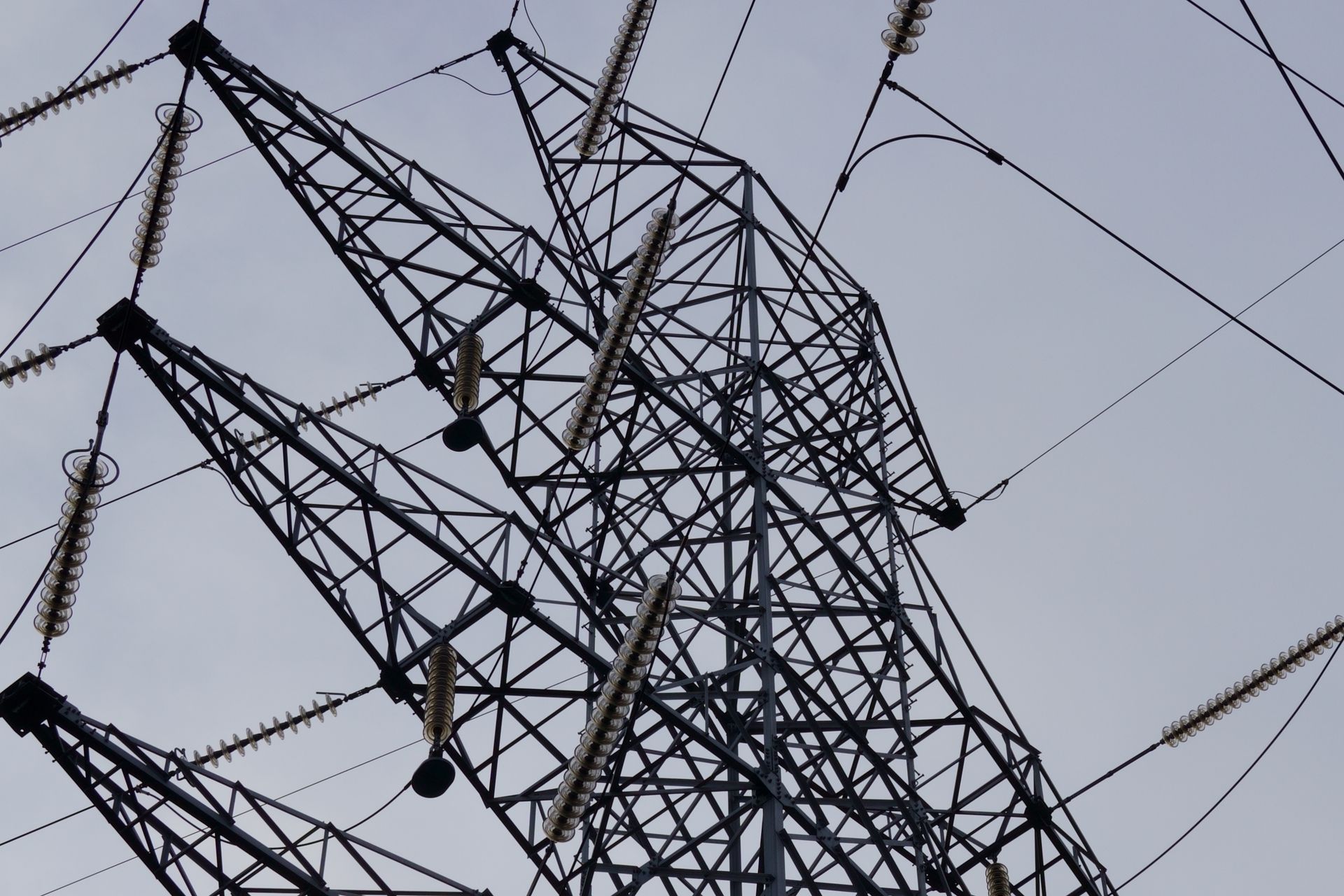
Transmission steel structures live through coastal air, salt spray from winter roads, industrial pollution, strong sun, and freeze-thaw cycles. Quality is not just about passing an inspection at delivery, it is about how that structure will stand up year after year.
EPCs and utilities can look for several quality markers:
- Clear compliance with the standards that apply to the work
- Proven weld procedures and qualified welders
- Material traceability from raw steel through finished parts
- In-process and final inspections, not just spot checks
Site conditions drive many of the coating and detailing choices. Coastal lines near salt water may need heavier-duty corrosion protection than lines in dry inland areas. Regions with long winters and frequent deicing salts put their own stress on foundations and lower sections. Thoughtful detailing, like drainage and access for future inspections, can help lengthen service life.
Lifecycle economics play a big role. It can be tempting to pick the lightest, simplest option that meets the drawing, but that can invite more corrosion repairs, emergency work, or unplanned outages later. Investing in better protection and tighter fabrication up front often supports:
- Fewer surprise maintenance events
- Less emergency field welding or band-aid fixes
- Lower total cost of ownership for the program
When the structures are consistent and well documented, long-term asset planning becomes easier too.
Manage Risk Across a Multi-State Project Portfolio
Many long-term programs spread across multiple states, utilities, and regional grids. That makes logistics and coordination just as important as steel strength. Different regions have different outage rules, permitting paths, and on-the-ground weather risks.
Coordinating all of that means thinking about:
- How structures will be sequenced by region and utility
- Which outages are on the tightest path and need earlier buffers
- How to handle changes when storms or wildfires shift priorities
A fabricator used to national power work can help spot where regional standards or common practices might impact structure details or schedules. That might include different clearance practices, preferred hardware, or unique loading needs for certain climates.
Shipping and storage strategies matter as well. Well-planned deliveries can line up with:
- Seasonal construction windows in colder states
- Storm seasons in coastal or high-wind areas
- Local yard space and crane availability
Accurate forecasting, flex in production, and room in the transport plan can protect the schedule when a storm season is stronger than expected or when one line suddenly needs to move ahead of another.
Choose a Steel Partner Built for Long-Term Grid Success
When we look at a long-term grid program, we see more than structures and parts. We see a set of promises that have to hold up through storms, heat waves, and changing power flows. The right steel partner supports that promise with strong engineering, steady production, and clear communication at the program level.
A simple evaluation checklist for EPCs and utilities can include:
- Technical depth in transmission steel structures and detailing
- Proven schedule performance on multi-project work
- Transparent communication and realistic planning habits
- Ability to adjust output as future program phases grow
- Experience working with different utilities and regions
At SteelCon, we focus on engineered substation and transmission structures with predictable timelines to support EPC contractors on power infrastructure projects across the country. By planning early around structure design, manufacturing flows, and delivery plans, grid owners can step into each build season with more confidence that their long-term program will stay aligned with the future grid they are working to build.
Get Started With Your Project Today
If you are planning or upgrading transmission steel structures, we are ready to help you move from concept to construction with confidence. At SteelCon, we collaborate closely with your team to align design, schedule, and budget so critical power projects stay on track. Tell us about your next build or retrofit and we will outline clear next steps. If you prefer to speak directly with our team, you can also contact us to discuss your project requirements.