Blog
Ensuring Schedule Certainty in Substation Steel Work
What schedule certainty really means in substation steel fabrication: how EPC teams deliver on time with planning, capacity, QA, and clear communication.

February 20, 2025 · By SteelCon Blogs · Blog
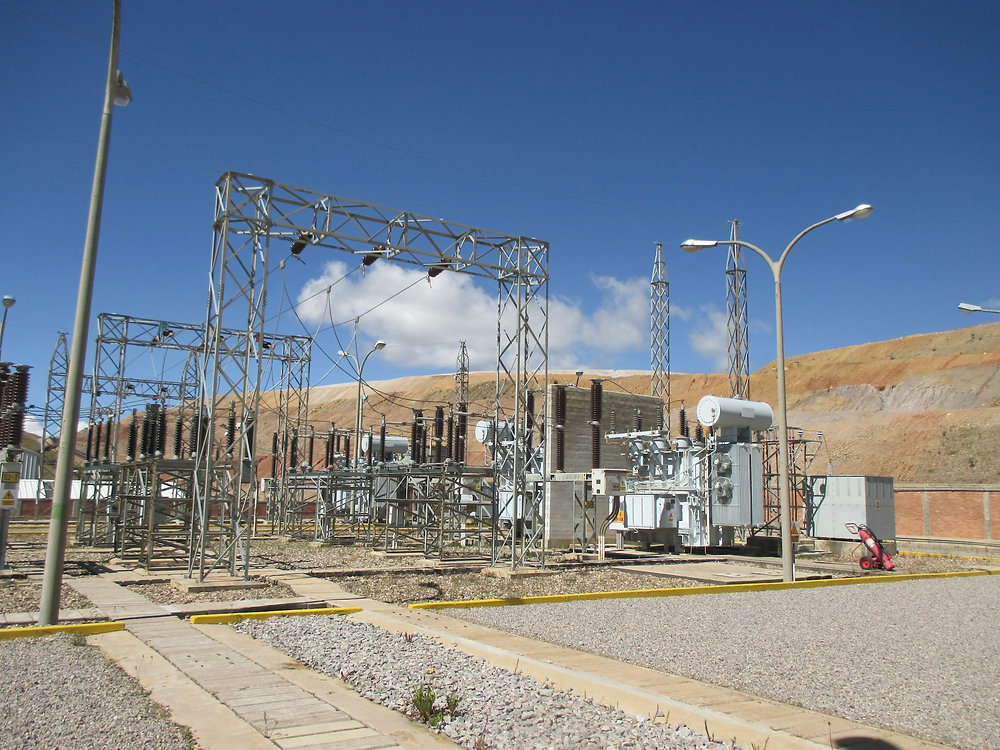
Grid projects do not stall because of one big mistake. They stall because of small schedule slips that stack up until outage windows are missed and crews are standing around without steel to set. Schedule certainty in substation steel fabrication is how EPC contractors and utilities keep those slips from turning into real risk for reliability, regulatory dates, and capital plans.
In this article, we will break down what schedule certainty actually means in practice, from the first look at IFC drawings through galvanizing and delivery. We will explain how reliable substation steel fabrication timelines tie into engineering, civil work, and commissioning, and share how we at SteelCon approach planning, change management, quality, and logistics to keep projects on track.
Why Predictable Schedules Matter in Power Delivery
In power delivery work, dates are not suggestions. Regulatory in‑service requirements, seasonal load patterns, and tightly controlled outage windows leave very little room for surprises. When a substation energization date moves, the impact can ripple into rate cases, reliability metrics, and system planning.
Substation steel fabrication sits right in the middle of that risk. If steel arrives late, it can:
Idle construction crews and cranes that are already on site
Push foundations and grounding work out of sequence
Delay equipment setting and bus work
Compress commissioning and testing into an unsafe or unrealistic window
Upstream, late feedback on steel details can also slow engineering and drawing approvals. Downstream, a slip in delivery can force resequencing in the field that makes everything harder than it has to be.
For us, schedule certainty is not about hitting a single promised ship date once. It is about building a repeatable, transparent process that EPC partners can count on project after project. As a U.S.-based fabricator with facilities in Missouri, Texas, and Colorado, SteelCon focuses on giving substation and transmission teams realistic dates, clear assumptions, and dependable execution.
Defining Schedule Certainty in Substation Fabrication
So what does schedule certainty actually look like when you break it down? It starts with a chain of realistic, connected milestones, not one big promise at the end.
In substation steel fabrication, a predictable schedule usually includes:
Design coordination and detailing
Approval and release of drawings and bills of material
Procurement of wide flange, plate, and hardware
Fabrication and welding
Galvanizing and inspection
Load building and logistics planning
Delivery staged to match the erection plan
Mature operations split the work into these phases and assign target dates to each, with a little float to absorb the normal churn of a complex project. That is very different from an optimistic promise made before plant capacity, material lead times, or trucking constraints are fully understood.
Real schedule certainty is built on data:
Actual shop loading and throughput, not best‑case productivity
Realistic galvanizing throughput and slot availability
Transportation lane performance and seasonal freight issues
It also depends on clear, documented assumptions at the proposal stage. Items like drawing release dates, approval timelines, anchor bolt plan finalization, and site readiness need to be spelled out early. When those assumptions are transparent, everyone understands what has to happen to protect the dates.
How SteelCon Builds Predictable Schedules From Day One
For us, schedule certainty starts before we commit to a single date. On every substation project, we begin by reviewing IFC drawings in detail, clarifying scope, and validating quantities. We want to confirm that what is shown is what is actually needed in the field.
On the front end, we are looking at:
Completeness of structure and foundation drawings
Connection details and standardization opportunities
Anchor bolt layouts and templates
Any unusual materials or sections that may affect lead time
We pair that with internal production planning tools that show current and forecasted loading across our facilities in Missouri, Texas, and Colorado. That lets us level production, decide which plant is the best fit for a specific project, and match committed dates to real capacity instead of hope.
Early coordination with EPC design teams is another key step. When we align on details such as standard base plates, connection types, and repetitive structure families, we reduce the risk of late rework that can derail even a well-planned schedule. Locking in key supply chain elements, like plate thicknesses, anchor bolts, and galvanizing slots, gives us and our partners more confidence that the agreed timeline will hold.
Managing Change Without Losing the Schedule
Even with the best planning, substation projects change. Loads get updated, equipment footprints shift, or additional structures are added. Schedule certainty depends on how we handle those shifts, not on pretending they will not happen.
We rely on a structured change management process:
Assess the impact of each change on material, detailing, and shop loading
Develop options, like resequencing, limited overtime, or shifting work between plants
Communicate the effect on intermediate milestones and final delivery dates quickly
When scope increases or priorities change, not every piece of steel carries the same weight. Anchor bolt cages, primary structures, and anything tied to early foundations often sit at the top of the list. By using a clear prioritization framework, we can keep the most critical steel moving even if less urgent items slide a bit.
Above all, we aim for transparency. EPC teams should always know what is locked, what is at risk, and what can still move without putting energization targets in jeopardy. That visibility builds trust and gives everyone the chance to make informed decisions rather than reacting at the last minute.
Quality, Inspection, and Logistics That Protect the Timeline
Quality and schedule are not competing goals in substation steel fabrication. Poor quality leads straight to schedule pain in the form of rework, returns, and field fixes that chew up days or weeks that were never planned for.
To keep steel moving in a predictable way, we focus on:
First pass yield in fabrication and galvanizing
In‑process inspections at fit‑up, welding, and final assembly
Dimensional checks to confirm holes, base plates, and overall geometry
Catching issues in the shop is always faster and cleaner than discovering them in a substation yard that already has crews and cranes waiting.
Logistics is another big piece of schedule certainty that often gets overlooked. Good logistics planning means:
Sequencing loads to match the erection plan, so the right steel arrives in the right order
Coordinating deliveries with site access constraints and crane paths
Planning for regional weather patterns and freight lane conditions
Because we operate domestically from Missouri, Texas, and Colorado, we can shorten transit times to many U.S. project sites and reduce exposure to port delays or very long haul disruptions. That proximity does not eliminate risk, but it does give us more flexibility when conditions change.
What EPC Partners Should Expect From a Schedule-Focused Fabricator
If schedule certainty is a priority, EPC contractors should expect specific behaviors and tools from a fabrication partner. At a minimum, that includes:
A clear baseline schedule with defined milestones from detailing through delivery
Regular progress updates tied to those milestones
A single point of contact who can speak to status, risks, and mitigation plans
Documented assumptions and constraints that were used to build the schedule
It is reasonable to ask direct questions about:
Current and peak capacity in each plant that may touch the project
Assumed lead times for key materials and galvanizing
How rush work and large, fast track jobs are handled without disrupting other commitments
Contingency plans for transportation disruptions or major scope changes
We have seen the best results when fabrication, foundation, and erection schedules are integrated through collaborative planning sessions. When everyone can see the same timeline and understands the dependencies, it becomes much easier to protect the dates that really matter.
Over time, long term relationships make this even smoother. As both sides learn each other’s processes, preferences, and constraints, schedules become more reliable and less conservative without becoming risky.
Turning Schedule Certainty Into a Competitive Advantage
For EPC contractors and utilities, dependable schedules in substation steel fabrication translate directly into reduced risk, lower total installed cost, and stronger performance on key projects. When steel arrives when it should, with the quality expected, field work is safer, more predictable, and less stressful for everyone involved.
Schedule certainty is not just an operational detail; it is a strategic capability. Treating it that way, and choosing partners who do the same, helps project teams win more work confidently and deliver on the promises they make to their own stakeholders. At SteelCon, our commitment is to build that level of predictability from the first drawing review through the final truck leaving the yard, so that energization dates are something you can plan on, not worry about.
Build Reliable Substation Structures With Proven Experts
If you are planning a new yard or upgrading existing assets, our substation steel fabrication capabilities are engineered to meet utility-grade performance and delivery requirements. At SteelCon, we work closely with your team to align structure design, material selection, and schedules so your project stays on track. Share your drawings, specifications, or project goals and we will provide a clear path from concept to installation. Ready to move forward with the next step in engineering or procurement, or just need answers to technical questions? Simply contact us and we will respond with tailored guidance for your project.