Blog
How Substation Steel Becomes a Project Risk
Learn how substation steel fabrication impacts schedules, costs, and compliance, and how to spot hidden risk early to keep projects on track.
March 11, 2025 · By SteelCon Blogs · Blog
Why Substation Steel Is Not a Problem Until It Is
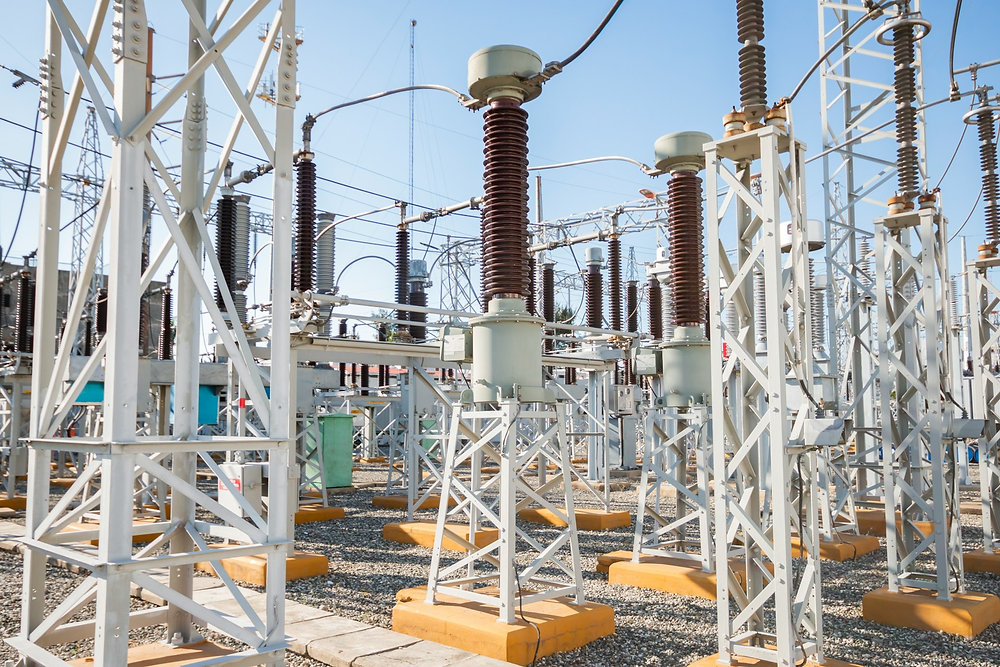
Substation steel is rarely the first thing anyone worries about on a power project. Most EPCs and utilities treat it as a simple line item, something to order and move on from while bigger issues like protection schemes, outage windows, and commissioning plans get attention. That approach works, right up until a single steel problem stalls foundations, throws off schedules, and puts energization at risk.
We see it happen when a project looks healthy on paper, then one issue with a structure, a base plate, or a hole pattern sets off a chain reaction. Design tweaks start late, RFIs multiply, field workarounds creep in, and budgets strain under rework and premium freight. Substation steel fabrication is often treated like commodity work, but it sits at the foundation of almost everything that happens in a yard. At SteelCon, we focus on engineered, galvanized structural steel for substations and transmission structures so that steel becomes the most predictable part of the job, not the hidden risk.
Where Substation Steel Projects Typically Go Off the Rails
When substation steel creates trouble, it is rarely because of the material itself. Problems usually start earlier, in the handoffs between engineering, procurement, and fabrication. Incomplete or unclear design information is one of the biggest triggers. When drawings leave room for interpretation, different parties can make different assumptions, and those assumptions eventually show up as field issues.
Typical failure points include:
Missing or conflicting dimensions on structure drawings
Ambiguous loading or connection details that affect member sizes
Late design changes that do not fully filter into fabrication models
Misalignment between foundation layouts and base plate patterns
Vague or inconsistent galvanizing and coating notes
By the time those issues surface, foundations are often already poured, anchor bolts set, and crews scheduled. That is when misaligned base plates and incorrect hole patterns show their true cost. Structures that are even slightly out of tolerance may not mate cleanly with equipment, bus work, or adjacent steel. What looked minor on paper suddenly requires:
Field drilling or slotting to make equipment fit
Shimming or cutting to deal with elevation or plumb issues
Temporary supports to compensate for unexpected deflection
Add in inconsistent specifications and unclear corrosion protection requirements, and the problems multiply. If galvanizing requirements are not spelled out upfront, fabricators may interpret them differently than inspectors or owners. That can lead to debate over coating thickness, venting and drainage details, or touch-up expectations after fabrication.
The visible project impacts are very real: RFIs piling up, crews waiting while answers are sorted out, compressed commissioning windows after delays, and strained relationships between owners, EPCs, and subcontractors who are all trying to protect their scope.
The Hidden Costs of Treating Steel as a Commodity
On paper, substation steel can look like a simple commodity purchase. Pick a low unit price, send over drawings, and expect everything to show up ready to bolt together. What that view misses is the ripple effect when substation steel fabrication is not handled with an engineered, coordinated approach.
When steel is late or not quite right, costs quickly extend beyond the material itself:
Schedule delays that push work into less favorable seasons or conflict with outage windows
Premium freight to get replacements or revised parts to the site in time
Field rework labor that is far more expensive than shop corrections
Change orders that easily exceed any early savings on unit price
Unreliable delivery dates are especially painful. If steel does not arrive when foundations cure and crews are mobilized, you are not just shifting a delivery date, you are affecting outage plans, resource allocations, and downstream electrical work. Missed outage windows or delayed energization can turn into lost revenue for the asset owner or exposure to liquidated damages written into contract terms.
There is also a safety and quality dimension. When contractors are forced into field modifications, hot work in the yard, or improvised fixes, risks go up. Work that could have been done under controlled shop conditions ends up in less controlled field environments. Welds, cuts, and adjustments completed under time pressure do not carry the same confidence as structures fabricated correctly from the start.
The real risk is not steel as a material. It is the absence of a disciplined, engineered, and schedule-aware approach to planning, detailing, fabricating, and delivering that steel so it supports the project instead of destabilizing it.
Turning Steel From Vulnerability Into a Project Strength
The good news is that steel can be one of the most predictable parts of a substation project when the right practices are in place. It starts with early engagement between EPCs and a fabricator that understands substation steel fabrication, design intent, and constructability. When we are involved early, we can help flag risks long before they become field problems.
A strong approach usually includes:
Thorough drawing and model reviews to identify gaps or conflicts
Constructability input on member sizing, connections, and erection sequence
Clear alignment on galvanizing, coatings, and inspection expectations
Realistic, agreed-upon lead times based on actual capacity and project needs
This kind of collaboration lets EPCs coordinate civil, structural, and electrical work with far more confidence. Predictable production timelines mean foundations can be scheduled to match steel delivery, and electrical installation can follow without crews sitting idle waiting for critical pieces. When lead times are honest and achievable, project managers can build schedules that actually hold.
There is also real value in single-source responsibility for engineered, galvanized structural steel and related accessories. When one fabricator is responsible for the steel package, there are fewer gaps between vendors, fewer interface risks between structures, and a clearer line of accountability if questions arise. That reduces the chance of finger-pointing and gives the project team a single partner focused on making the steel package work as intended.
How SteelCon Builds Predictability Into Every Structure
SteelCon is focused on substations and transmission structures, which means we live in the details that matter in those environments. As a U.S.-based fabricator, we provide engineered, galvanized structural steel tailored to the needs of electrical substations and power infrastructure. Our goal is simple: make steel one of the most predictable and low-drama parts of your project.
We lean heavily on process so our work lines up with what is happening in the field. That includes:
A structured project kickoff to clarify scope, priorities, and constraints
Proactive RFIs to resolve uncertainties early instead of guessing
Clear communication of milestones so fabrication and galvanizing align with site work
Attention to fit-up, tolerances, and hole alignment that supports efficient installation
Quality and reliability are built into how we approach every structure. We pay close attention to how pieces will be handled, shipped, and erected, from galvanizing practices that respect design intent to packaging that makes it easier for field crews to find what they need when they need it. Our work is aimed at reducing surprises on site, lowering the amount of rework, and supporting safer, more efficient builds.
For EPC contractors, that translates into outcomes that matter: structures that match design and foundations, deliveries that arrive when schedules say they should, and less pressure on field teams to solve problems that should have been prevented in the shop.
Making Steel a Non-Issue on Your Next Substation Project
Substation steel is rarely the loudest topic in a kickoff meeting, yet it quietly influences everything from foundations to final energization. It is not inherently a problem, but when planning, coordination, or expertise is lacking, it turns into a source of risk that can derail an otherwise well-run project.
By treating substation steel fabrication as an engineered discipline instead of a commodity purchase, EPCs and project owners can shift steel from a vulnerable point to a dependable foundation for success. The most effective projects bring a capable fabricator into the conversation early, share clear and complete design information, and align on expectations for quality, coatings, tolerances, and schedule before drawings ever hit the shop floor. When that happens, steel stops showing up on the critical issues list and quietly does what it is supposed to do: support the entire substation for decades to come.
Get Started With Your Project Today
If you are planning a new yard or upgrading existing infrastructure, our team is ready to support your substation steel fabrication needs from concept through installation. At SteelCon, we work closely with utilities, EPCs, and engineers to align structure design, timelines, and budgets with your project goals. Share your drawings or project requirements and we will provide practical options that meet your technical standards. To discuss your next project or request a quote, simply contact us.