Blog
Substation Capacity Limits and Grid Expansion Needs
Learn why substation capacity can limit grid growth and how fabrication capacity affects substation upgrade schedules.
April 4, 2025 · By SteelCon Blogs · Blog
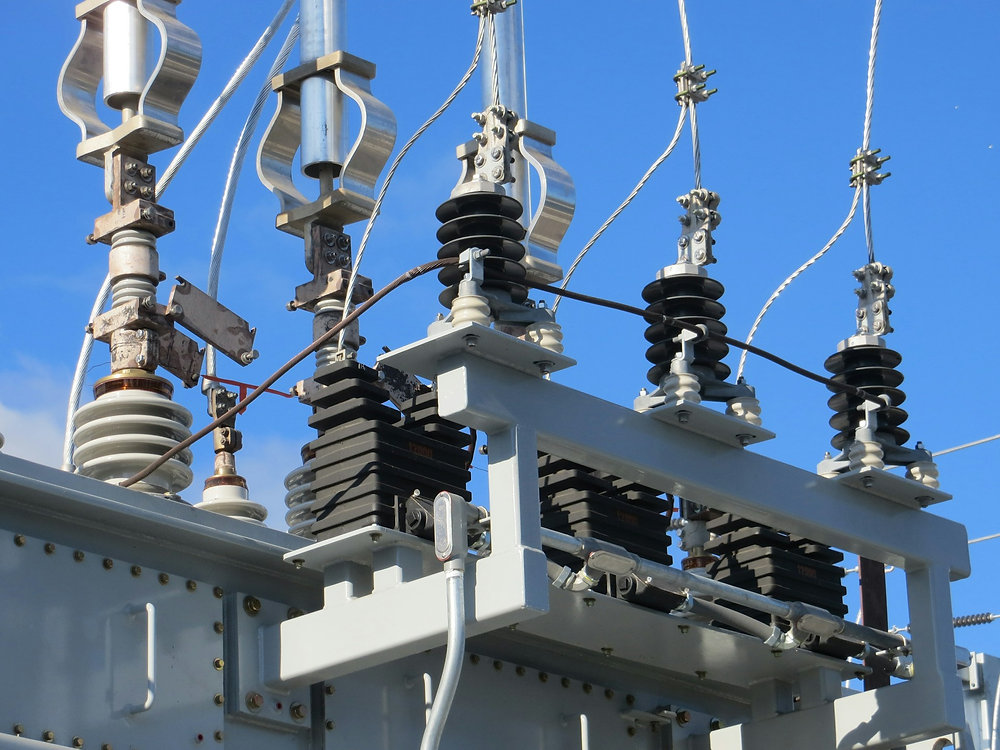
The grid is no longer just about adding more megawatts. Across the country, utilities, developers, and EPC contractors are discovering that the real bottleneck now sits inside the fence of the substation. Projects have the land, the generation, and the demand, but they stall because there is nowhere practical to tie in new load or generation at the voltage level that matters.
In this article, we look at why substation capacity has become the limiting factor, how design and structural choices lock in constraints for decades, and why power infrastructure steel fabrication is quietly turning into a strategic tool for teams that want to move projects faster. As a U.S.-based substation steel fabricator, we see these challenges every day and work with EPCs nationwide to turn grid constraints into buildable plans.
Substations at the Center of the New Power Bottleneck
The grid is being reshaped by several forces hitting at once: large-scale renewable energy, explosive data center growth, rapid EV charging rollout, and steady electrification of industry and buildings. New power is being requested at different locations, with different profiles and at higher power densities than many legacy substations were ever intended to serve.
When we talk about “substation capacity,” we are talking about a mix of technical and physical limits, including:
Transformer loading and available MVA
Bus and switchyard arrangements that define how many circuits can be accommodated
Structural footprints, bay spacing, and equipment clearances
Interconnection limits tied to fault current, protection, and transmission interfaces
If the steel, layout, and physical envelope of a substation cannot support additional transformers, higher voltages, or more feeders, the project hits a hard stop, even if there is plenty of generation and transmission line capacity on paper. That is why power infrastructure steel fabrication and smarter substation design are becoming strategic levers instead of afterthoughts.
Why Generation Is No Longer the Only Constraint
Traditional planning used to focus first on generation and long transmission lines. Add a plant, string a line, and then fit the substation around those decisions. Today, the sequence often flips. Renewable plants, new industrial loads, or data centers may be ready to go, while the interconnecting substation sits in an engineering queue or waits on physical upgrades.
Common pain points include:
Existing yards with limited space and restrictive layouts
Structures that were never designed for modern, heavier transformers and breakers
Long design-review cycles when every expansion needs a custom steel solution
Permitting challenges when expanding outside existing fence lines
Projects that look straightforward on a one-line diagram can run into months of delay because the substation steel structures cannot accommodate the new loading or because reconfiguring the yard requires intricate phasing. Generation is available, equipment may even be procured, but energization waits on the substation’s ability to safely and reliably accept it.
How Substation Design Choices Lock in Capacity Limits
From the first concept sketch, substation design choices lock in how far a site can grow. The technical side is obvious: bus configuration, breaker schemes, and clearances. The structural side is just as important but sometimes gets less attention during early planning.
Key capacity drivers include:
Bus configuration and phasing that dictate how many future bays can be added
Equipment clearances that define minimum spacing and structure locations
Structure heights that impact conductor spans and phase separation
Structural loading allowances that determine room for heavier future equipment
If a site is planned only for the first buildout, with little margin in structure heights or footings, it can be difficult or expensive to add a second transformer, move to a higher voltage, or integrate another feeder position later. This is especially true when the ground grid, foundations, and primary steel are not sized with potential growth in mind.
When utilities, EPCs, and power infrastructure steel fabrication partners sit at the same table early, it is possible to design structures that allow for modular expansion, higher future fault levels, and heavier equipment without completely rebuilding the yard. That coordination can shave significant time and risk off later phases.
The Hidden Role of Steel Structures in Capacity Expansion
Behind every line on a one-line diagram sits a physical backbone of steel. Support structures, deadend structures, equipment stands, bus supports, and lattice or tubular frameworks carry both mechanical and electrical demands. As equipment gets larger, higher voltage levels are adopted, and clearances increase, that backbone has to do more work in the same or smaller footprint.
Advanced approaches to power infrastructure steel fabrication help unlock capacity by enabling:
Taller structures that maintain clearances without sprawling the yard
Longer spans that bridge over congested areas or reuse constrained sites
Higher load-carrying members that are ready for heavier transformers and breakers
Configurations that stack and layer equipment efficiently while preserving access
At SteelCon, we focus on galvanized structural steel and transmission steel structures for substations and switchyards, with an emphasis on delivering the precision and consistency EPCs need to keep complex projects aligned. When structures are designed and fabricated with capacity in mind, teams can often expand within existing boundaries instead of starting new greenfield builds.
Speed, Standardization, and Supply Chain in Steel Fabrication
Once the design is set, schedule risk shifts heavily to procurement and construction. Substation upgrades intended to relieve capacity constraints can stall if steel lead times are uncertain or if late design changes trigger costly rework. Fragmented supply chains, with detailing, fabrication, and galvanizing spread across multiple vendors, add coordination burdens for EPCs.
There are several practical ways to reduce that risk:
Standardize structure families so they can be repeated across projects
Reuse connection details and typicals to shorten engineering and review cycles
Coordinate detailing closely between structural and electrical teams
Work with steel fabricators that can integrate fabrication and galvanizing efficiently
Domestic, U.S.-based partners like SteelCon give project teams more transparency on lead times and quality. That predictability helps keep substation capacity projects aligned with tight energization dates, which is essential when downstream loads or generation are already scheduled.
Designing Substations for Future Capacity and Flexibility
Planning for future capacity does not always mean oversizing everything. It means being intentional about where to leave room and how to design in flexibility so future work is practical and safe. This starts with clear conversations between utilities, developers, and EPCs about what might be coming next, even if it is not funded yet.
Practical strategies include:
Reserving expansion bays in the initial layout and grounding plan
Anticipating higher fault currents and mechanical loads in structure sizing
Specifying structures with headroom for heavier transformers and circuit additions
Using modular steel packages and pre-engineered structural families for repeatability
Early engagement with a dedicated substation steel fabricator allows teams to balance cost and constructability with long-term capacity. A slightly taller structure, a more flexible bay arrangement, or standardized steel details can save significant time and money later when demand increases and expansion moves from “someday” to “right now.”
Turning Capacity Constraints Into Competitive Advantage
Teams that treat substation capacity as a strategic issue instead of a late-stage technical problem are already separating themselves. When planners, engineers, and fabricators coordinate from the start, they design substations that not only solve today’s interconnection challenge but are also ready for the next project in the queue.
For EPCs, utilities, and developers, that mindset means revisiting substation standards, structure specifications, and partner selection with growth and flexibility in mind. At SteelCon, we work alongside project teams as a power infrastructure steel fabrication partner, helping translate capacity goals into steel structures that can be built on schedule, expanded intelligently, and trusted for the long haul.
Get Started With Your Project Today
If you are planning a new substation or upgrading existing facilities, our team at SteelCon is ready to support your project with specialized power infrastructure steel fabrication. We work closely with utilities, EPCs, and contractors to deliver structures that meet demanding schedule, safety, and performance requirements. Share your project details and specifications so we can provide practical recommendations and a clear path forward, or contact us to speak directly with our team.